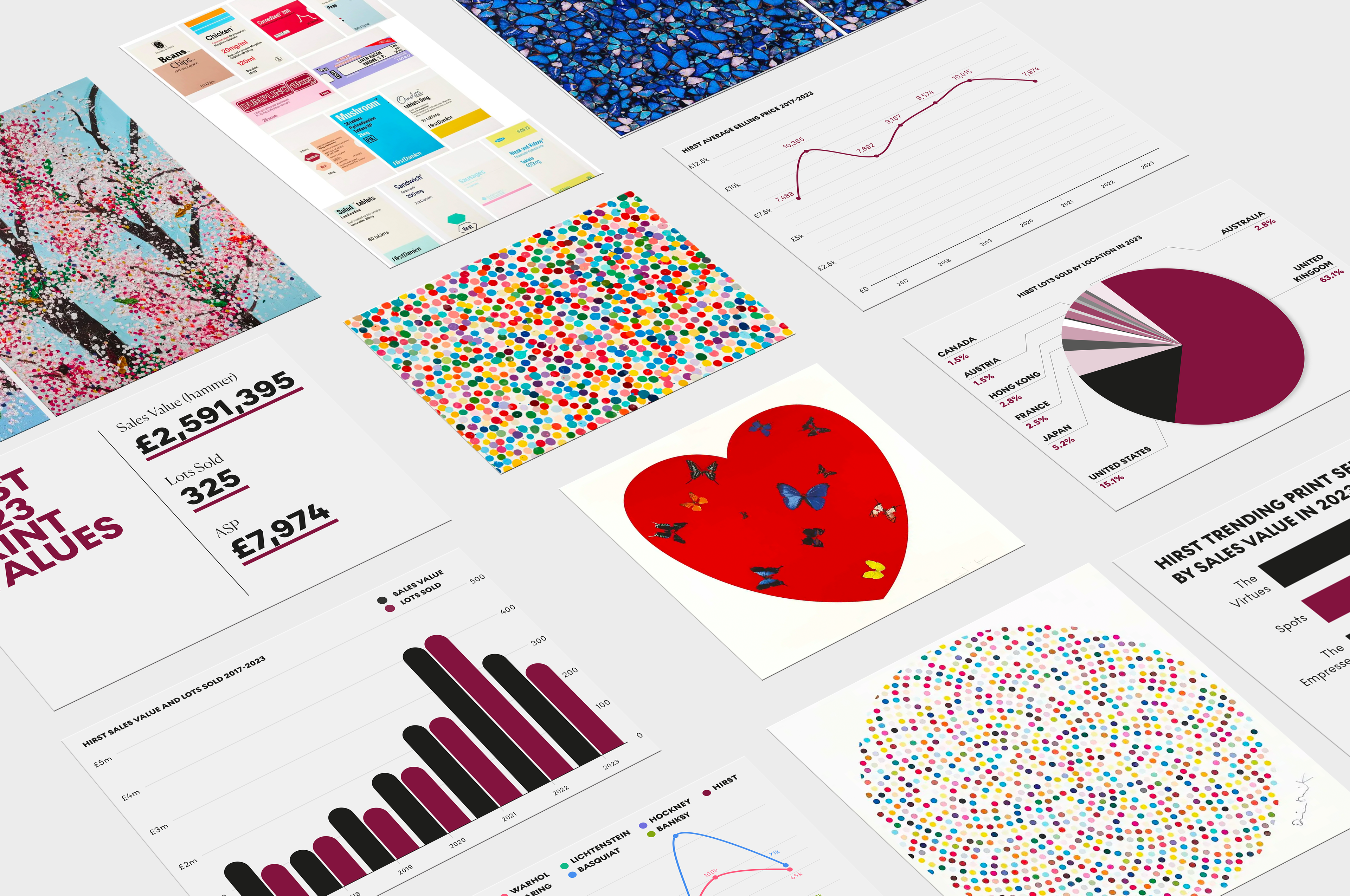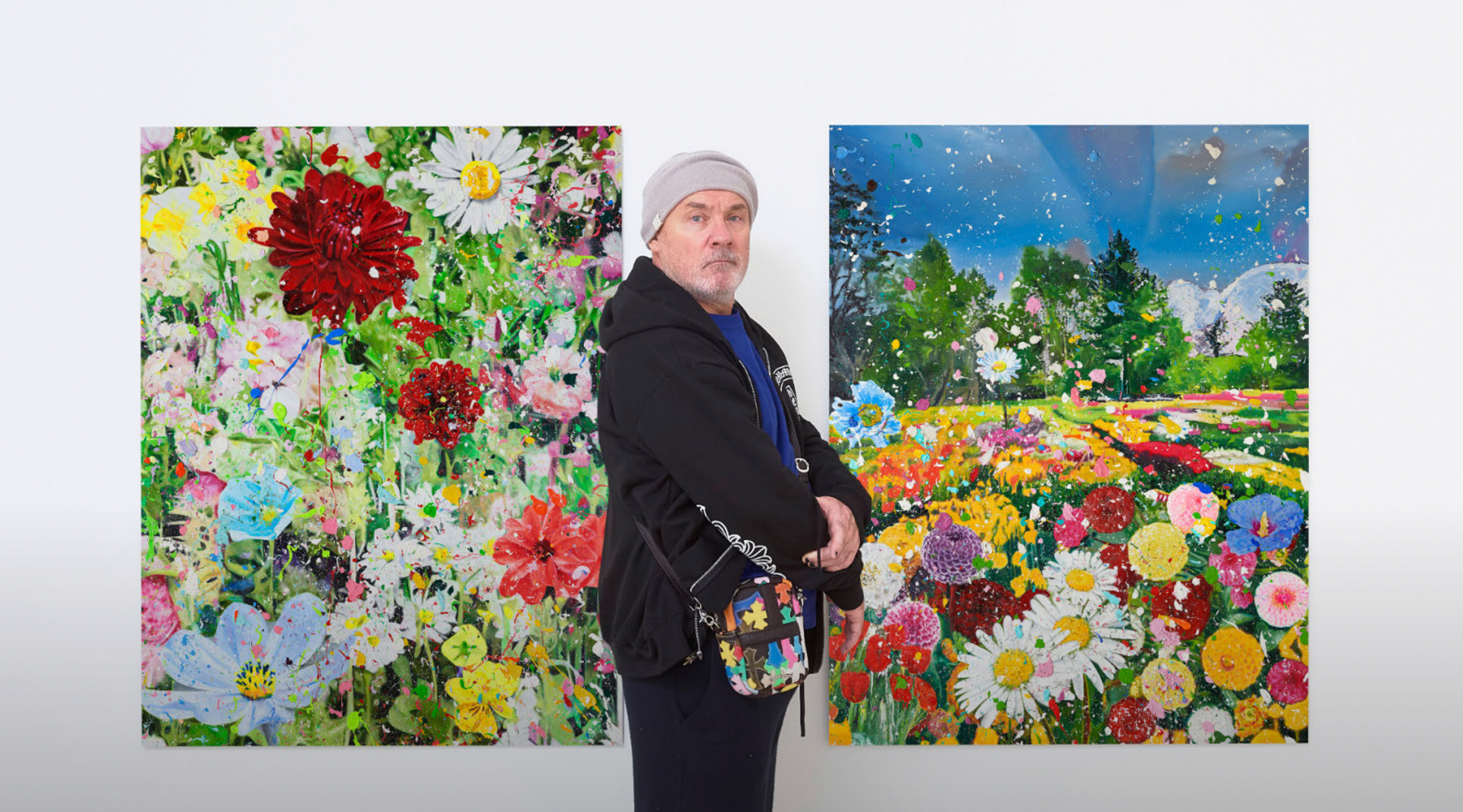

This guide explains how Hirst’s production model shapes secondary pricing in 2026 – and how sellers can position individual prints and complete sets strategically within that ecosystem.
Is Now a Good Time to Sell a Damien Hirst Print?
Hirst’s market does not reward passive holding in the same way scarcity-led markets do. It rewards positioning within an ongoing production ecosystem.
In the current market, transaction volume remains steady, but value concentration sits within specific legacy series – Spot prints, Medicine Cabinet editions, The Virtues, and Psalms collections. These structured releases anchor his brand identity and demonstrate stronger, more consistent secondary-market value compared to the higher liquidity of his later demand-drop editions. Sell-through rates are firmer where editions have established resale depth and controlled visibility.
What Drives Value In The Damien Hirst Print Market?
Unlike artists whose editions are finite and historically distant, Hirst has repeatedly re-entered his own market. From the 2008 Sotheby’s sale Beautiful Inside My Head Forever – where he bypassed galleries during the financial crisis – to structured set releases, to demand drops, to NFT-linked projects such as The Currency, he has actively shaped supply and reset buyer expectations around availability.
What makes his market unique is its existing hierarchy within intentional abundance.
He has manufactured supply across decades, blurred the line between art and product culture, and conditioned collectors to expect access. Yet, certain structured editions still behave like legacy works.
What The Damien Hirst Print Market Means For Sellers
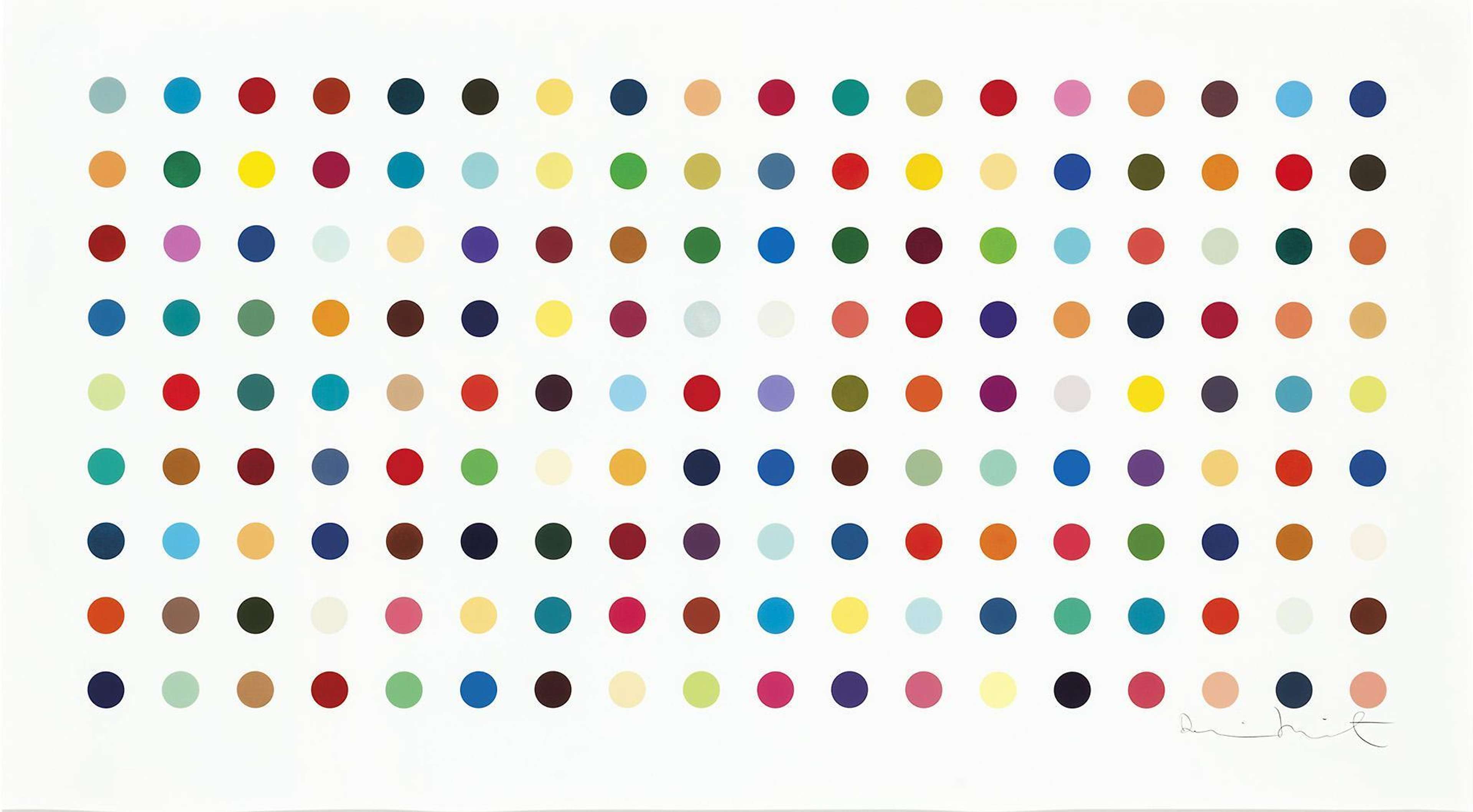
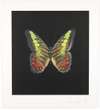
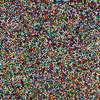
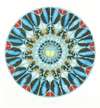
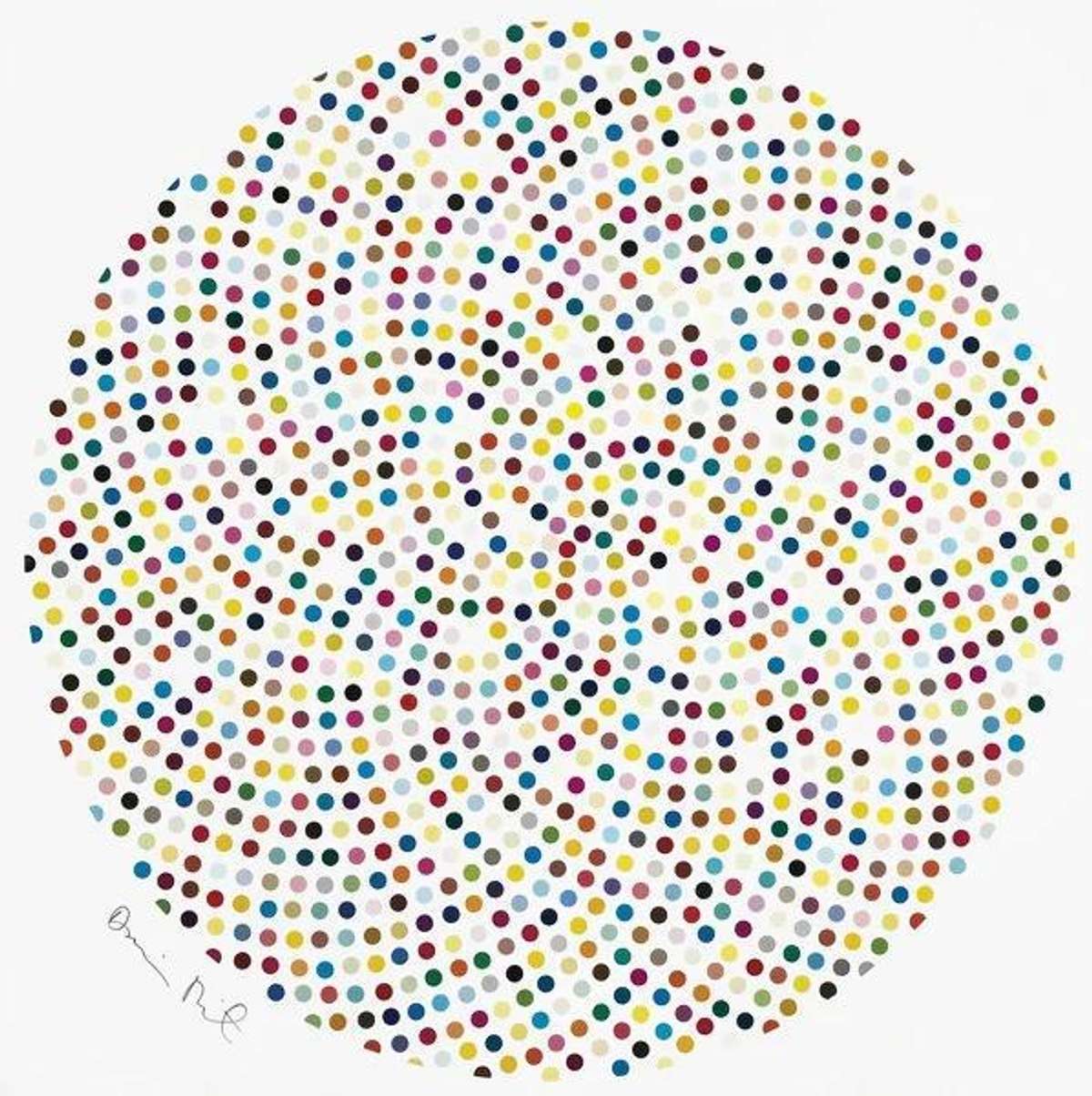
Value continues to anchor around Hirst’s core visual systems – each tied to a distinct conceptual theme within his practice. The Spot prints reflect clinical repetition and the aesthetics of pharmaceutical order; the Butterflies explore beauty, fragility, and mortality; the Kaleidoscope works build on that tension through symmetry and transcendence; and the Medicine Cabinet and pharmaceutical motifs centre on science, control, and commodified healing.
These themes are not interchangeable. They structure demand. Within them, certain editions have developed genuine secondary-market depth, while others remain closer to their primary-market lifecycle and behave accordingly.
How Much Is My Damien Hirst Print Worth?
In Hirst’s market, structure and release model are decisive.
Damien Hirst Complete Set Print Value
Complete sets command the strongest pricing where supply was originally controlled. The Virtues remain the most consistently traded and highest-ranking portfolio in the secondary market. The complete set of Love Poems has also achieved strong results in recent sales, while The Last Supper – Hirst’s first print portfolio – is rarer as a full set and has delivered significant value when intact. What links these series is disciplined initial release and finite visibility.
The Empresses appears as a complete set more frequently. Because it was demand-released and broadly distributed, outcomes show greater variation and unsold rates are more common. Scarcity behaves differently here.
Damien Hirst Individual Print Value
For individual works, Spot prints remain perennial favourites, but valuation is nuanced. Numerous variations exist across scale, colourway, and pharmaceutical title. Presentation, rarity within a specific variation, and collector preference materially influence pricing.
The Mickey Mouse prints have shown growing strength, particularly in Asian markets where crossover demand is pronounced. These operate within a distinct demand segment relative to Hirst’s more clinical bodies of work.
For the Love of God prints – not demand-released and tied to one of Hirst’s most recognisable sculptures – maintain steady value within the hierarchy, though typically below his leading structured portfolios.
Hirst’s newest demand-dropped releases are still early in their secondary lifecycle. Pricing signals remain formative, and short-term resales may not reflect longer-term positioning.
How to Prove Your Damien Hirst Print Is Real Before Selling
Authenticity in Damien Hirst’s print market is publisher- and documentation-led.
HENI Certificate of Authenticity and Publisher Records
Begin by confirming provenance. Many early editions – including Spot prints and series such as Love Poems and The Souls on Jacob’s Ladder – were published by Paragon Press. Later bodies of work, including Psalms and Utopia, were produced by Other Criteria. More recent releases have been issued through HENI Editions. Hirst prints do not always carry embossed publisher stamps, so correctly identifying the publishing channel is essential.
Some editions were originally accompanied by certificates of authenticity. HENI Editions works, for example, typically include a label affixed to the reverse. A number of earlier works were reviewed by the now-defunct Hirst Authentication Committee (HIAC). There is no current authentication board, so documentation and release alignment are critical.
Damien Hirst Signature and Edition Verification
Signature and edition details must be verified. Where signed, the signature should be consistent with known examples. The edition number – located on the front or reverse depending on the series – must match the published edition size. High-quality images are routinely requested in private transactions.
Maintaining proof of purchase strengthens resale confidence. This is particularly important in light of past counterfeit cases involving forged signatures and false studio stamps. Works sourced through reputable galleries, dealers, or auction houses generally carry clearer authentication trails.
Hirst does not operate a single comprehensive public catalogue raisonné for his print market. Verification therefore relies on accurate publisher records, release documentation, and consistent edition details rather than a centralised archive.
How to Conserve Your Damien Hirst Print to Retain Value
Hirst’s editions often incorporate materials that require careful handling. Works featuring diamond dust, glitter, or high-gloss screenprinted surfaces can be particularly sensitive to abrasion, pressure, and improper cleaning. Even minor surface disturbance can affect presentation and resale strength.
Older prints – particularly early Spot and Butterfly editions – may show signs of fading if previously exposed to light. Hirst’s flat colour fields and saturated tones make UV damage immediately visible. Proper framing with UV-protective glazing and stable humidity is essential.
More recent HENI publications are generally in strong condition due to age, but they are not immune to handling damage. Storage, professional framing, and avoiding over-cleaning remain critical across all series.
For editions incorporating mixed media or textured surfaces, conservation should only be undertaken by a qualified paper conservator and fully documented prior to resale.
Where Can I Sell My Damien Hirst Print?
Choosing where to sell a Damien Hirst print depends on the series, format, and current supply of that edition.
Hirst’s market operates across both public auction and private channels, and the route can materially influence outcome.
Auction Versus Private Sale In Hirst’s Print Market
At auction, visibility can benefit well-known series with active bidding pools – particularly Spot prints, Virtues, and select Kaleidoscope works. Auction houses will sometimes break up complete sets in order to maximise total value across individual lots, especially where single images are more recognisable or commercially flexible than an intact portfolio. This can work in a seller’s favour where individual plates carry independent demand.
However, auction exposure also makes supply fully visible. In Hirst’s market – where many editions were produced in structured but substantial numbers – repeated public offerings can quickly stabilise pricing. Unsold works are also recorded publicly, which can affect short-term perception.
Private sale offers a different dynamic. For complete sets, higher-value works, or editions where supply is currently visible at auction, controlled placement can prevent direct competition with similar impressions. This is particularly relevant for structured releases such as The Virtues or Love Poems, where timing and buyer targeting often matter more than broad exposure.
Why Sell Your Damien Hirst Print with MyArtBroker
A Dedicated Hirst Specialist
Hirst’s market is series-led and visibility-sensitive. Our team assesses your print within its specific tier and positions it according to current supply conditions. Valuations are grounded in live comparables and private demand, not just headline auction results.
Minimise Risk Through Private Sale
In Hirst’s market, repeated public exposure can quickly stabilise pricing. We specialise in private sales, allowing works to be placed discreetly without creating unnecessary supply visibility or public unsold records. This is particularly relevant for complete sets and editions where multiple impressions are already circulating.
0% Seller’s Fees
We charge sellers no commission. Our fee is negotiated on the buyer side, meaning you retain the full agreed sale price. Insurance, logistics coordination, and transaction management are handled as part of the process.
Targeted Global Network
With over 30,000 active collectors on our live Trading Floor, including strong buyer bases in the UK, US, and Asia, we introduce your work directly to relevant demand rather than broadcasting it broadly. For crossover works such as Mickey Mouse prints or Kaleidoscopes, regional targeting can be critical.
Our approach is strategic, focused on placing the right Hirst edition with the right buyer, at the right moment in its supply cycle.