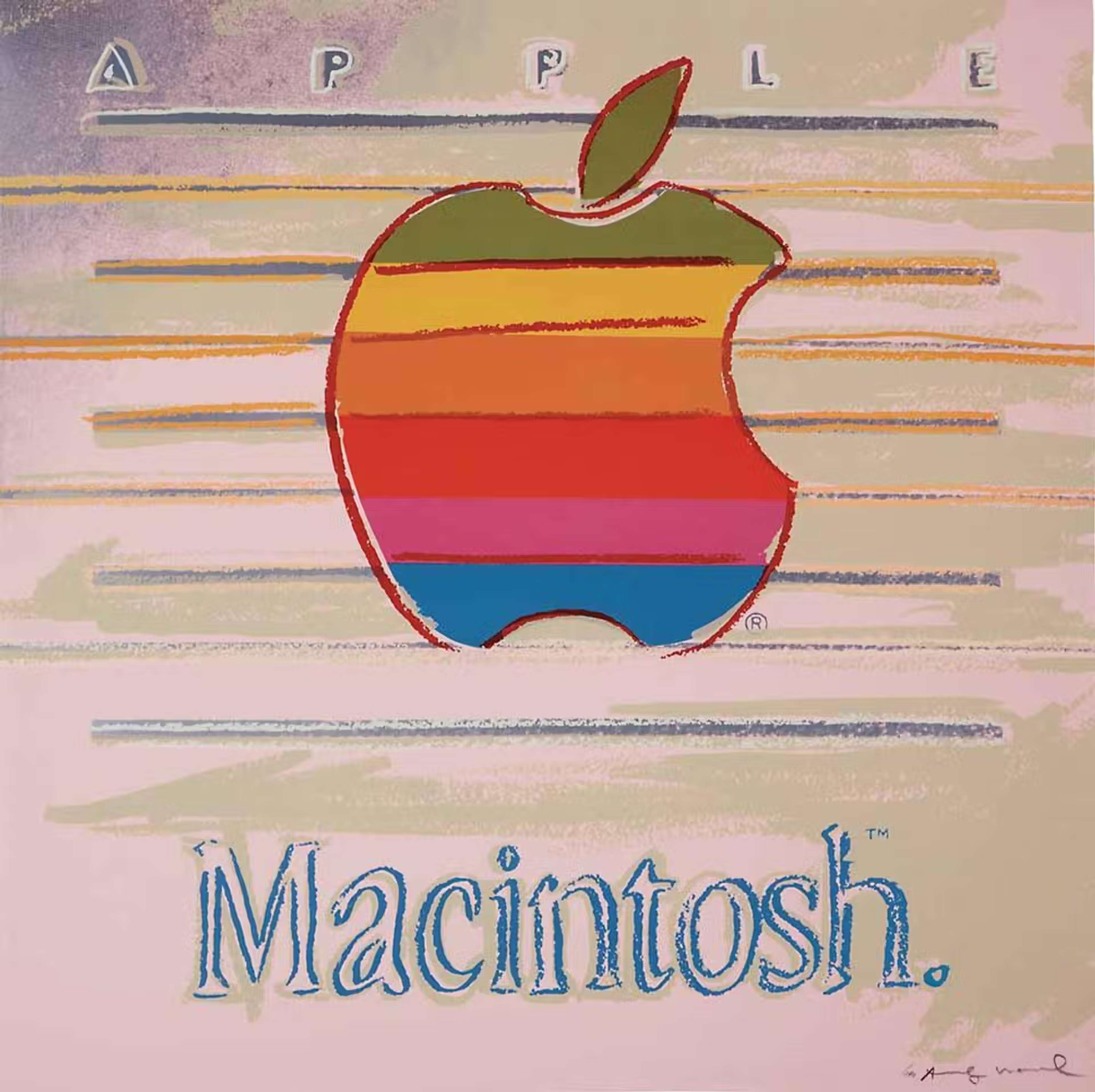

Online research is now the norm
When asked which platforms they use to inform buying decisions, 79% of collectors named MyPortfolio — ahead of Artsy (56%) and Christie’s (51%). On average, collectors now consult four digital platforms before purchasing.
This shift isn’t confined to younger buyers. While 95% of Gen Z and Millennial collectors entered the market after 2010, half of those aged 40–49 and nearly half of those aged 60–69 also began collecting in the digital age. Access to transparent information has reshaped behaviour across all life stages.
Collectors expect the same clarity from art platforms as they do from financial markets. They want searchable databases, performance history and valuation benchmarks. MyArtBroker’s model — combining transparency, liquidity and specialist insight — reflects that expectation.
Transparency builds trust
For decades, the art market operated behind closed doors, where prices were opaque and relationships dictated access. Online platforms have broken that structure. 61% of collectors report increased trust in digital platforms over the past five years, and many now view them as more reliable than traditional intermediaries.
Transparency has become the baseline. Online price comparables, market indices and valuation tools provide collectors with objective data to support their decisions. For a generation of professionals accustomed to analytics and automation, these systems aren’t just convenient — they are essential for confidence.

Collectors want control
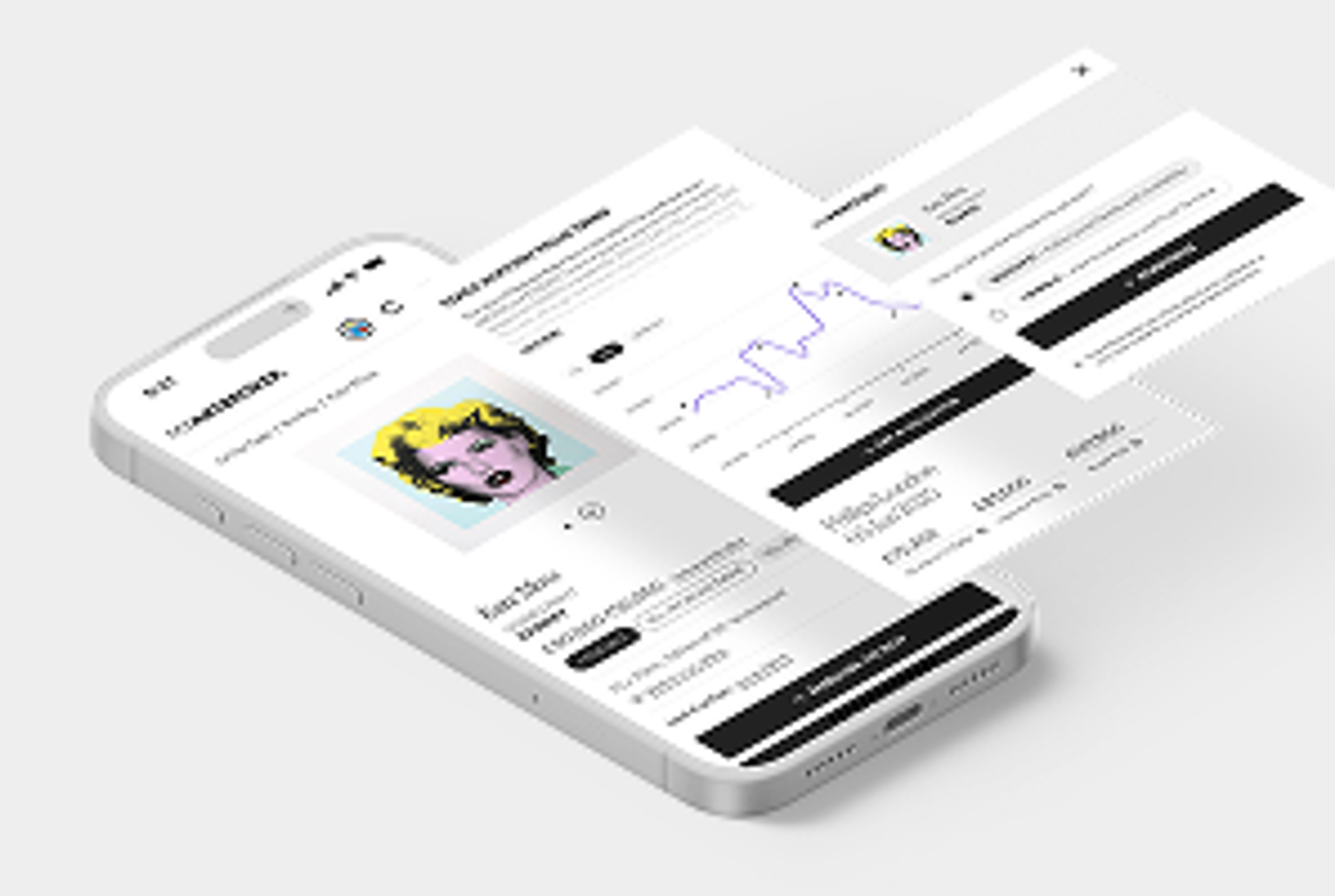
The digital shift isn’t only about access; it’s about autonomy. Today’s collectors expect control over their collecting journey, from discovery to resale. MyArtBroker’s Instant Valuation tool, Trading Floor and MyPortfolio offer exactly that — allowing collectors to research, monitor and manage works independently while maintaining access to specialist advice when needed.
This self-directed model has attracted collectors from professional backgrounds such as technology, finance and law — industries where data literacy and due diligence are second nature. These individuals view prints as both cultural and financial assets, and they expect infrastructure to match.
Generational patterns of digital engagement
Digital engagement follows a clear generational pattern, but not in the way many might assume.
- Gen Z and Millennials are naturally digital-first. They use social media for discovery, rely on online databases for validation and are comfortable buying art sight unseen.
- Older Millennials and Younger Gen X bridge two worlds — they value the authority of galleries but depend on online transparency to verify pricing and provenance.
- Boomers and the Silent Generation have embraced digital research later in life, driven by convenience and necessity rather than novelty.
This spectrum shows that technology isn’t replacing traditional connoisseurship; it’s reinforcing it. The ability to cross-reference auction data, verify edition size or compare sale results has become part of the collector’s toolkit.
Multi-platform behaviour is here to stay
Collectors no longer rely on a single channel. On average, they use three or more routes to acquire works: online galleries, auction houses, marketplaces and direct-from-artist sales. This multi-channel approach highlights a more strategic, informed collector base.
MyArtBroker’s survey also reveals that collectors plan to expand their use of digital platforms in the future. Between 27 and 53% of respondents across age groups said they intend to use MyArtBroker for upcoming purchases.
This forward-looking adoption points to a market permanently restructured by digital access.
Why prints thrive online
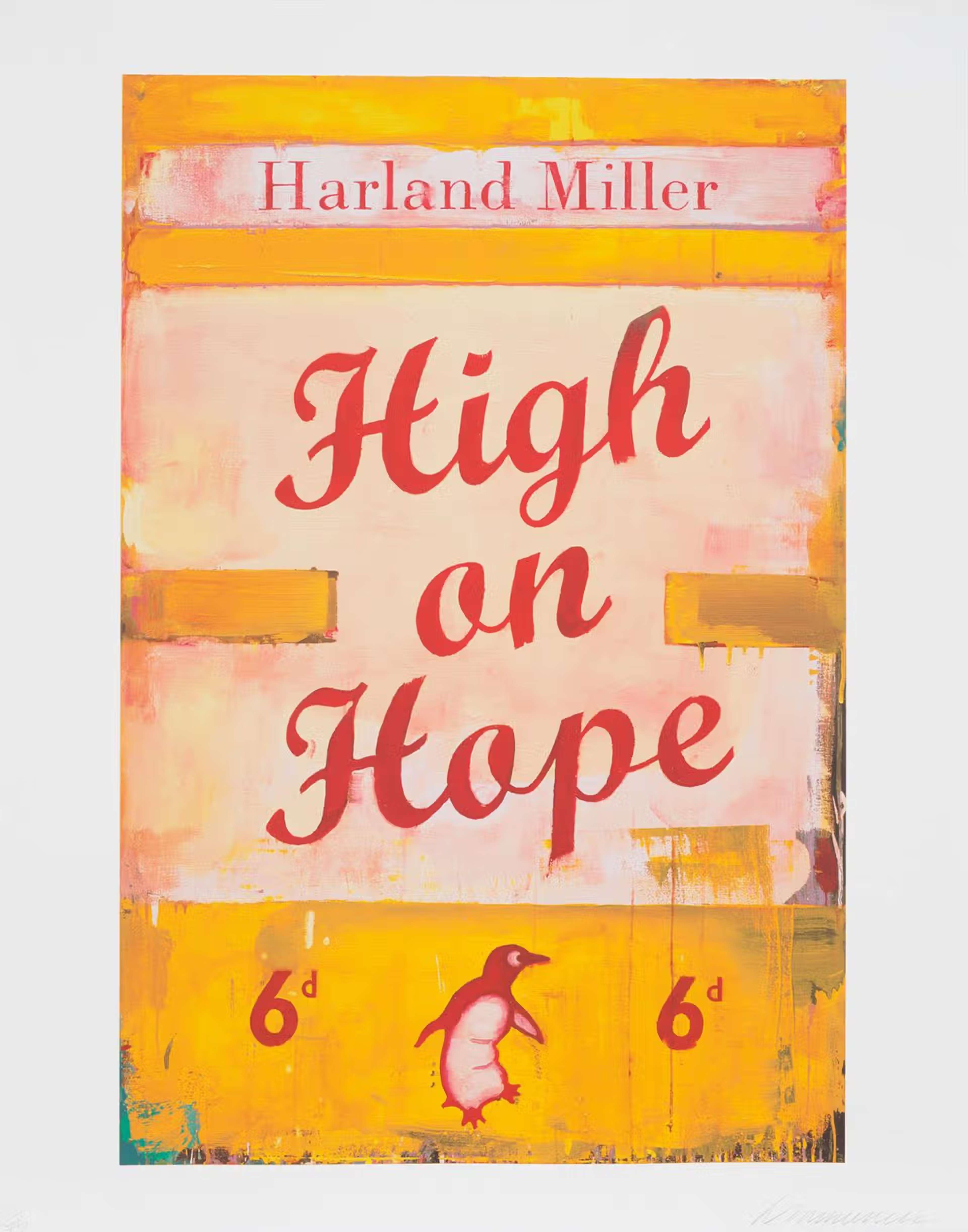
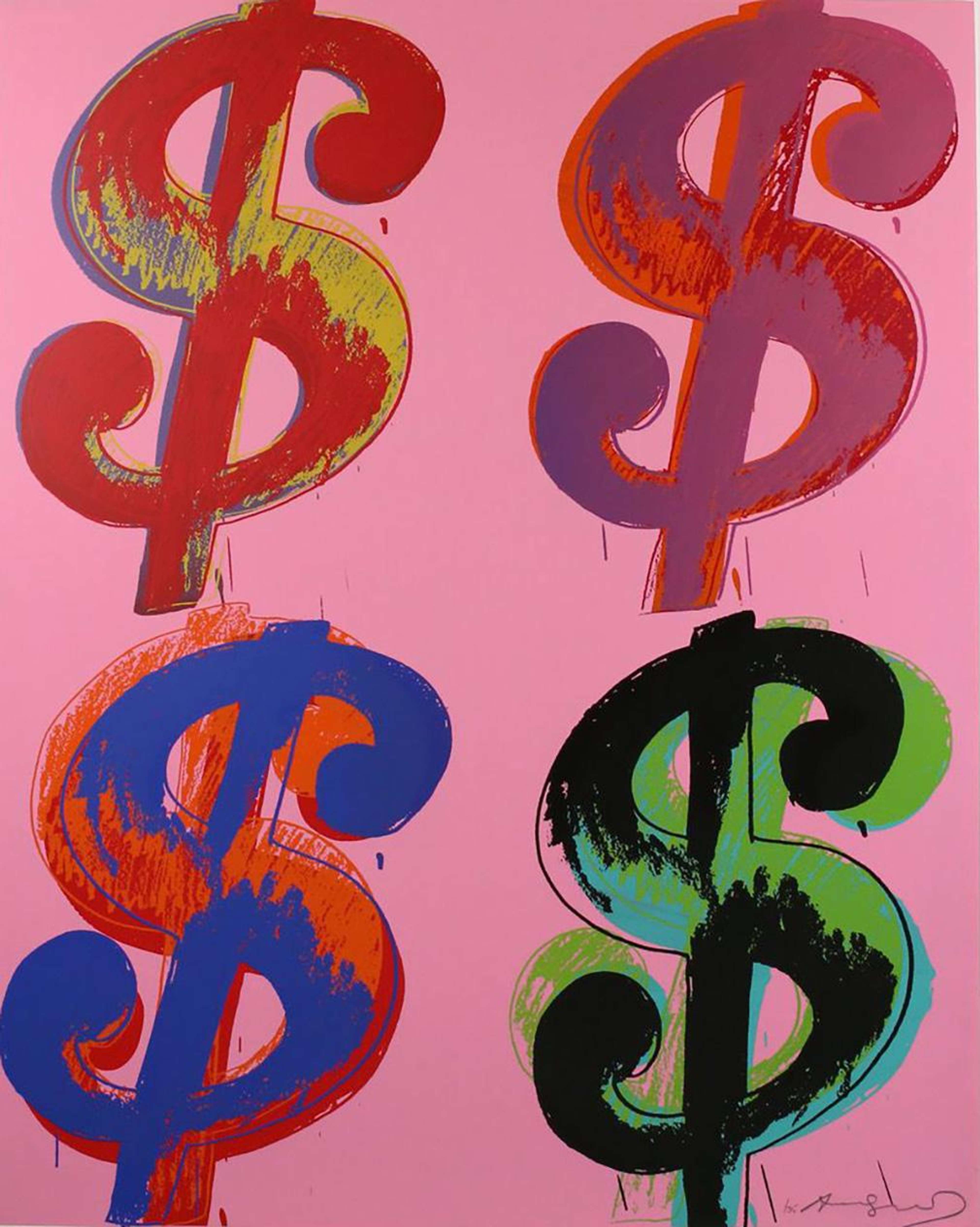
Prints are particularly suited to digital discovery. Their editioned nature means that prices, condition and rarity can be compared transparently. A collector can easily track how a Banksy or Hockney print performs at auction, or request a valuation from MyArtBroker’s database of live market data.
This comparability reduces friction, allowing collectors to make informed decisions faster. It also makes prints a more accessible entry point for new buyers who may be intimidated by the high-value, one-of-a-kind world of paintings and sculptures.
From discovery to management
Digital platforms now shape the full collecting journey — not only discovery and purchase, but also collection management and resale. MyPortfolio gives collectors the ability to track the performance of each work, log provenance and request valuations with a single click.
This level of integration mirrors what collectors are accustomed to in other asset categories. Just as investors track shares or property portfolios, art collectors now expect visibility into their holdings — performance metrics included.
What this means for the future of collecting
The digital transition isn’t a passing trend; it is the foundation of a new market structure. Collectors no longer accept opacity, and platforms that fail to provide transparency risk obsolescence.
As The Print Collectors’ Survey shows, digital access has democratised collecting. It has expanded who participates, increased trust in online transactions and redefined what expertise looks like. Data is now a form of connoisseurship, and collectors who master it are setting the pace.
The print market, once a niche within the art world, has become the blueprint for this evolution. Transparent, trackable and digitally integrated — it is where the art world’s future is being written.