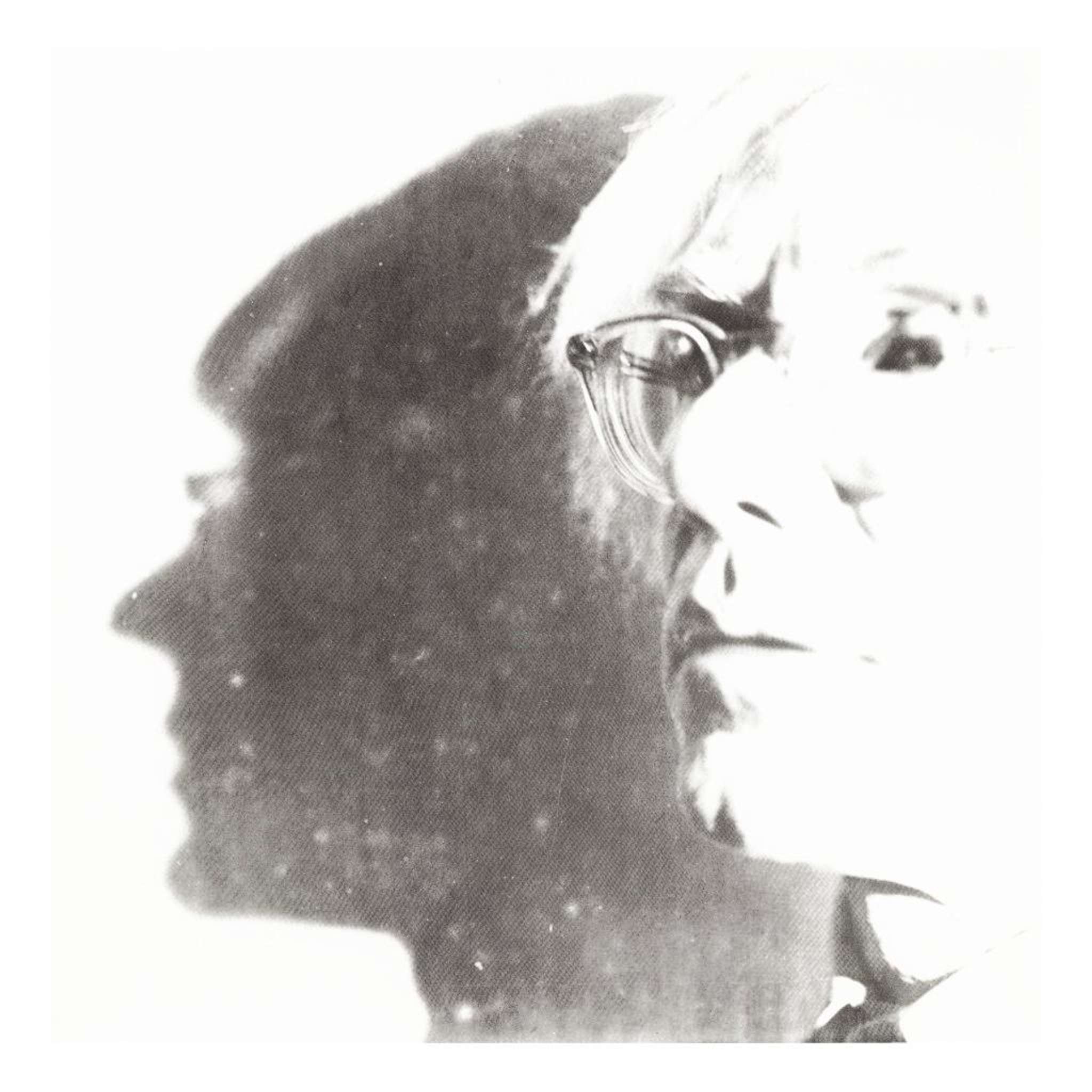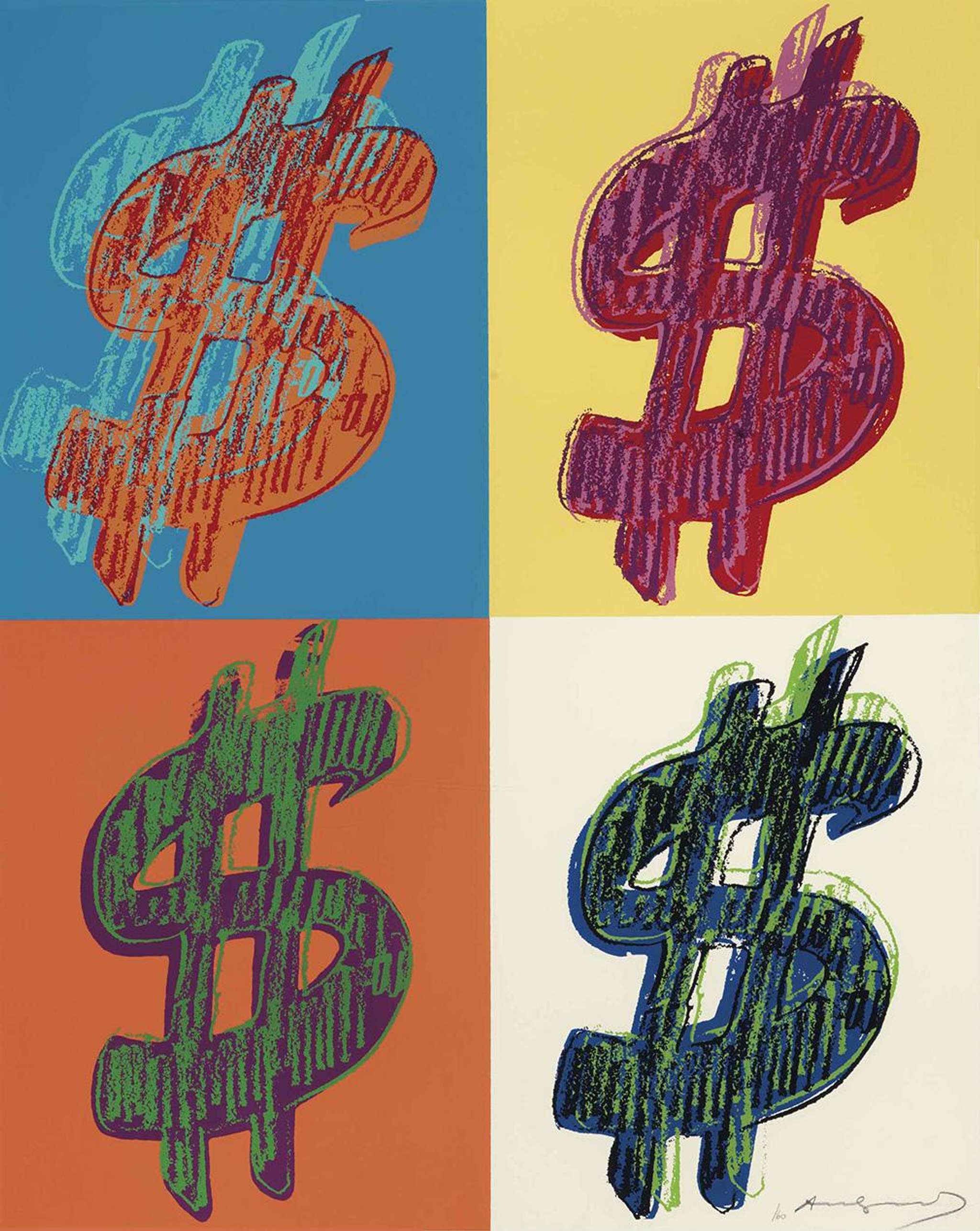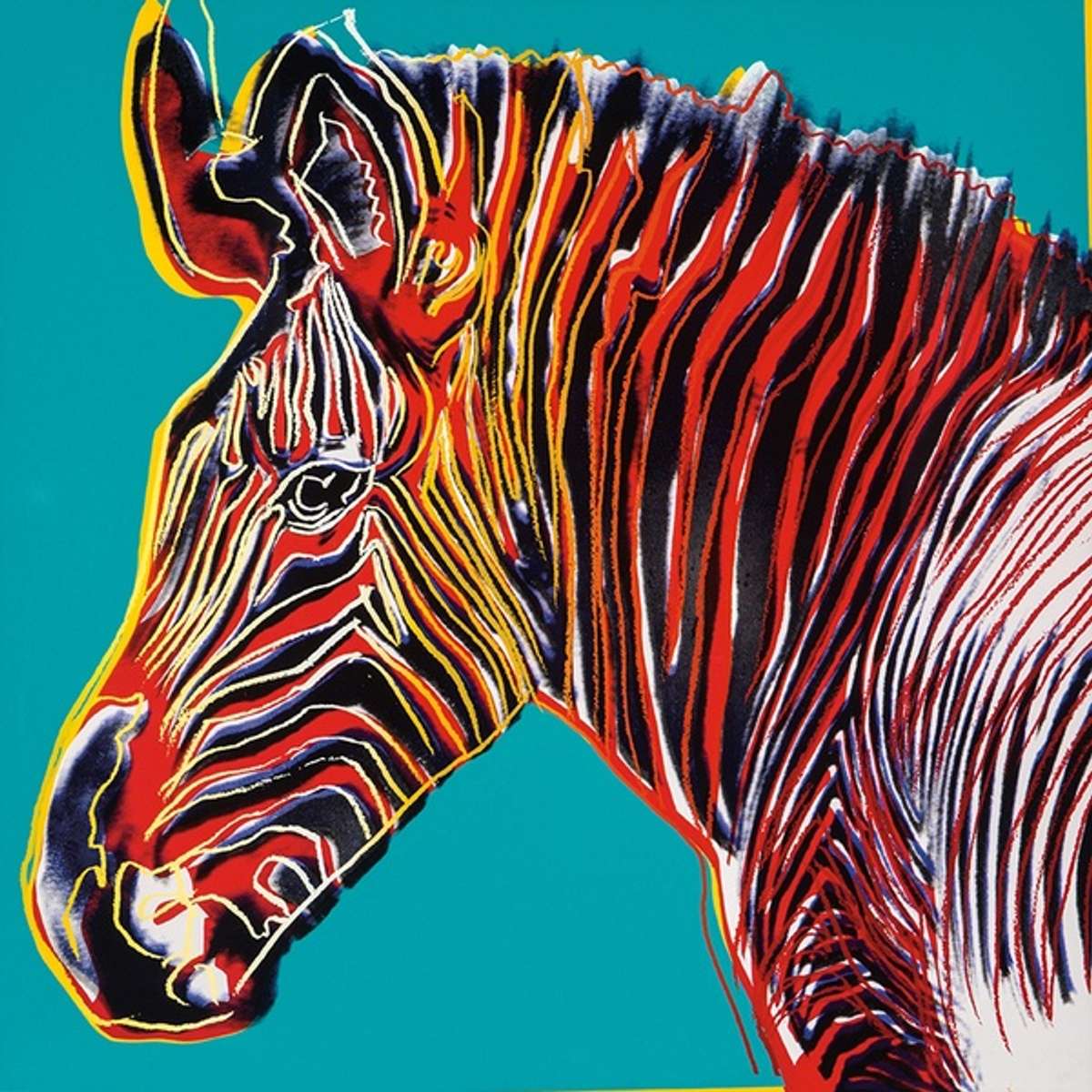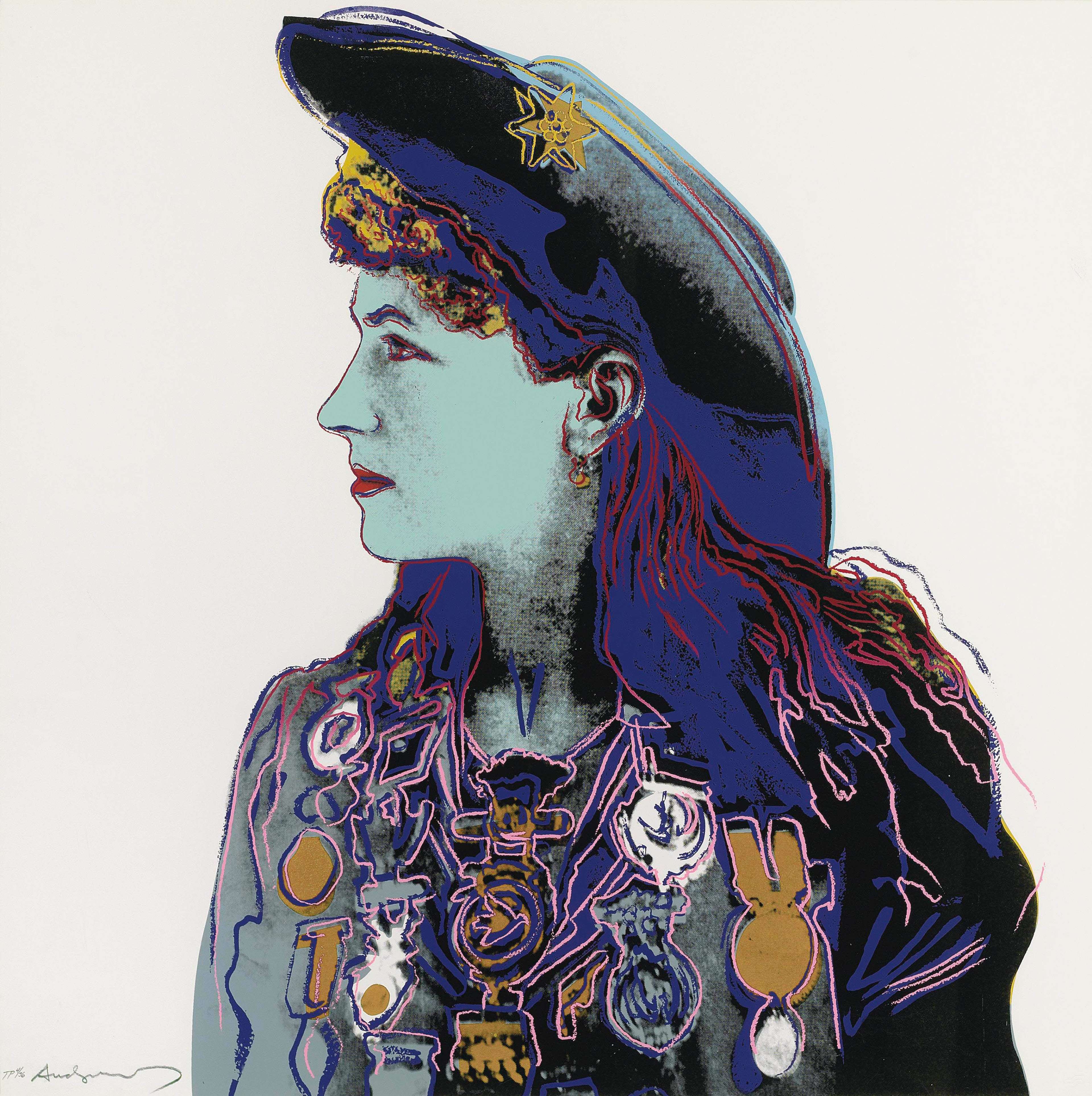


Richard Polsky - one of the most respected Warhol market experts working today - wrote a guide for us on how to authenticate a Warhol print two years ago. It covers the eight things a serious buyer or seller should examine that still stand in 2026: visual characteristics, edition numbering, provenance, signature, paper, price, the catalogue raisonné, and what the Authentication Board's closure in 2012 actually means in practice. If you own or are considering buying a Warhol print, reading it first is worth your time.
The market the Authentication Board left behind
The Andy Warhol Foundation Authentication Board reviewed over 6,600 works during its 16 years of operation before closing in 2012. It was imperfect, as Polsky explains, some works it approved have since been disputed, and some it denied have ended up in court, but it gave the market a mechanism. Major auction houses used it as a backstop. Serious dealers referenced it. Its existence created a de facto standard.
When it closed, that standard did not transfer to anything equivalent. The Foundation continues to maintain the catalogue raisonné, which remains the most important documentary resource for Warhol's print output, but it no longer issues opinions on individual works. The market did not fill that gap with a new authority. It filled it with a distributed, inconsistent patchwork of dealer opinions, specialist assessments, and institutional judgements, which vary significantly in quality.
That patchwork is navigable for collectors who know what they are doing. For those who don't, it is considerably more difficult.
What has changed since 2012
The closure of the Authentication Board coincided, broadly, with the acceleration of online art sales. The infrastructure of the global online auction market, aggregator platforms that compile inventory from hundreds of independent and regional houses, list it under a single interface, and process transactions without specialist review, did not exist at the scale it does today when the Board was operating.
Warhol's editions are among the most circulated works on these platforms. That is partly a function of his cultural ubiquity and partly a function of price accessibility, many of his works trade in ranges that feel attainable to a collector who might not otherwise engage with the specialist end of the market. But those buyers are transacting largely without the documentary scrutiny that characterises a well-run private sale or a specialist auction.
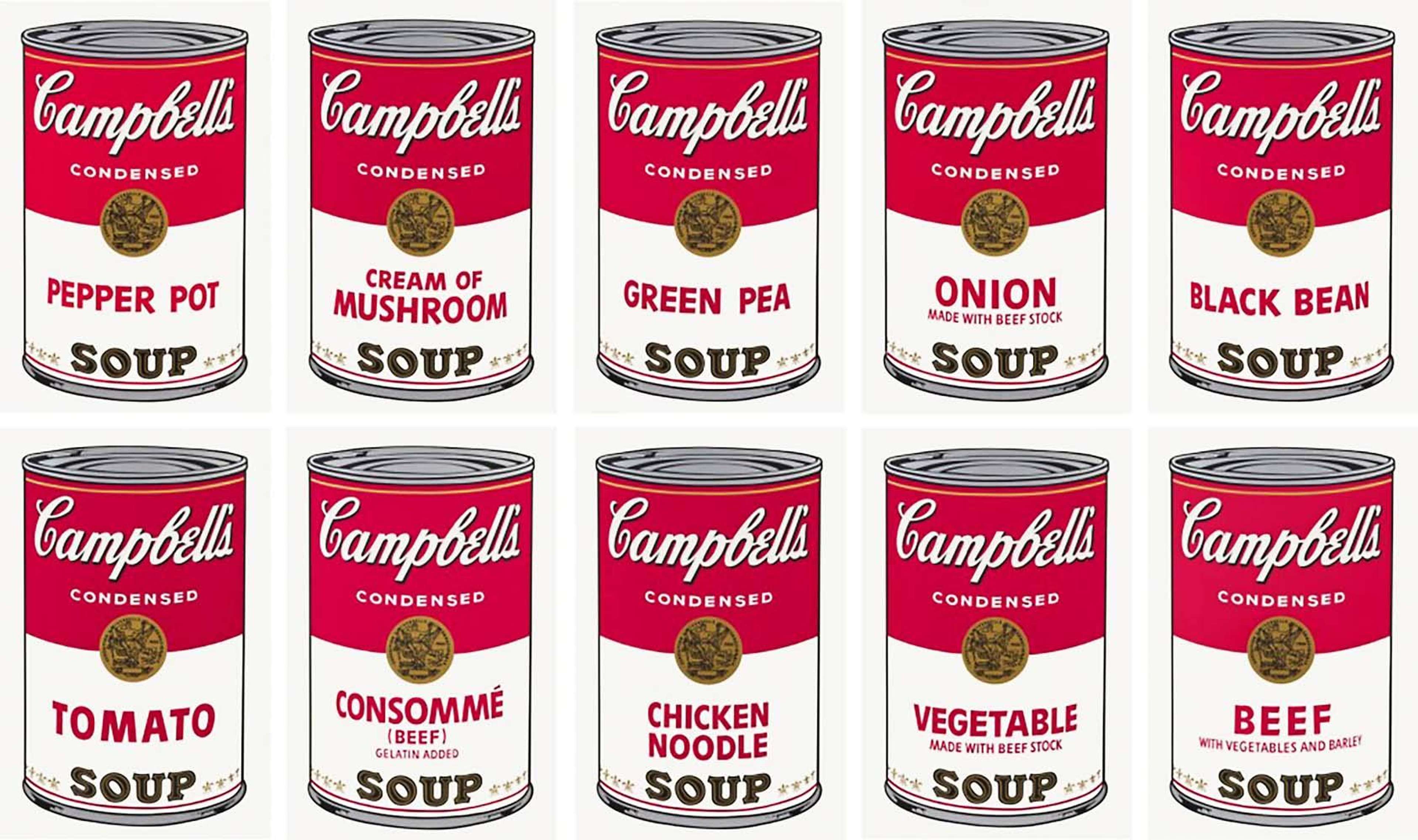
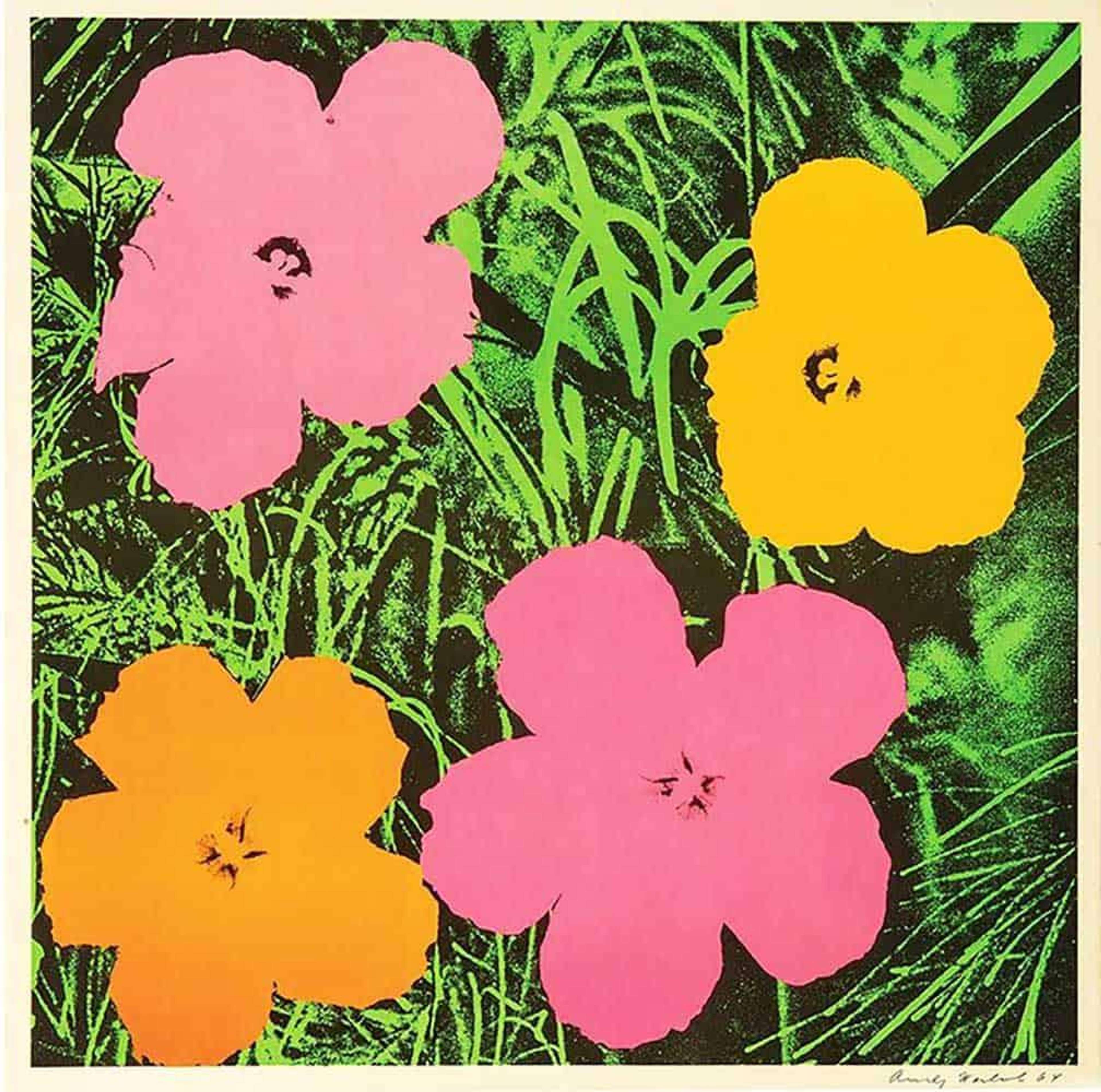
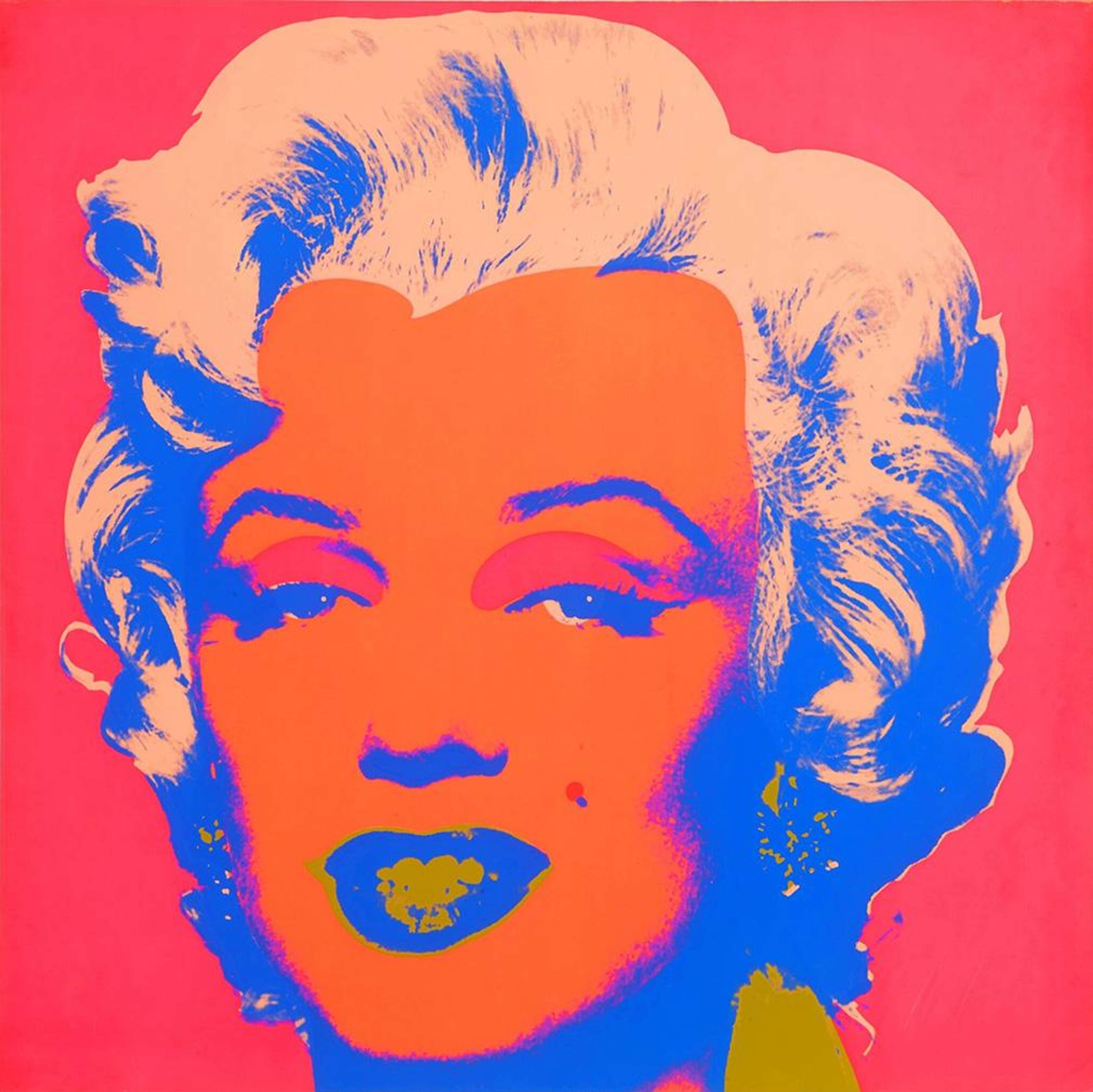
The result is that a meaningful volume of disputed, misattributed, or straightforwardly fake Warhol material now circulates through channels that do not require it to be examined before it changes hands. The works most commonly affected are those from his best-known and most reproduced series, namely Marilyn, Flowers, Campbell's Soup, precisely because those are the images that forgers and misattributors have most incentive to target. Works priced below £10,000 are particularly exposed, because the economics of specialist review are harder to justify at that level.
This does not mean the problem is confined to the lower end of the market. There have been credible reports of disputed works appearing at significant price levels through reputable institutions. The difference between channels is not one of absolute safety, it is one of scrutiny and process. No channel is immune. Some channels have more rigour built into them than others.
What this means for buyers
If you are buying a Warhol print through any channel, including well-known platforms and major houses, the authentication question does not answer itself. It requires active engagement with the documentation.
Polsky's eight-point checklist is the right starting point. Beyond that, the practical question is whether the seller can provide a coherent paper trail: original purchase documentation, prior auction records, catalogue raisonné reference, and any prior specialist assessments. An absence of documentation is not proof of inauthenticity, as Polsky notes, recordkeeping at the Factory was often haphazard, and legitimate works can have thin paper trails, but it is a material risk that should be reflected in how a buyer approaches both due diligence and price.
One dimension that has become more relevant recently is the track record of the seller. When a centralised authority existed, its stamp provided a degree of channel-agnostic assurance. Without it, the reputation and specialist knowledge of the party selling the work carries more weight. A dealer or specialist with a verifiable, long-running history in the Warhol market, one whose business depends on getting this right - much like MyArtBroker - is in a substantively different position from an anonymous or low-reputation listing on an aggregator platform.
What this means for sellers
If you own a Warhol print and are thinking about selling, the authentication picture affects you in a direct commercial sense. Buyers at the more sophisticated end of the market, and therefore the collectors most likely to pay at or above fair market value, will want to see the documentation. A work with a clean, coherent provenance chain is easier to place, commands more buyer confidence, and will typically achieve a better outcome than one where the paper trail requires explanation or apology.
This is particularly true in private sale, where documentation is reviewed before a price is agreed rather than after a transaction is complete. If your documentation has gaps, a missing original invoice, no prior auction record, uncertainty about the period between purchase and now, it is worth understanding that position clearly before approaching the market, rather than discovering it when a serious buyer raises the question.
We offer a free valuation that includes an initial assessment of where a work sits, what documentation strengthens the position, and what a realistic private sale process would look like. That is a reasonable first step whether or not you have decided to sell.
The MyArtBroker position
We are not an authentication service. That distinction matters, authentication in the Warhol market is a specialist discipline, and Polsky's guide is clear on the expertise it requires. What we do is assess the documentary record of works we handle privately, and we decline to proceed where it does not hold up. The works we place tend to have traceable ownership histories and clear catalogue references.
The Warhol market is deep, liquid, and worth engaging with carefully. The authentication problem is real, but it is manageable with the right information and the right approach to due diligence. Polsky's piece is where to start on the practical questions. This one is an attempt to explain why those questions matter more now than they did a decade ago.