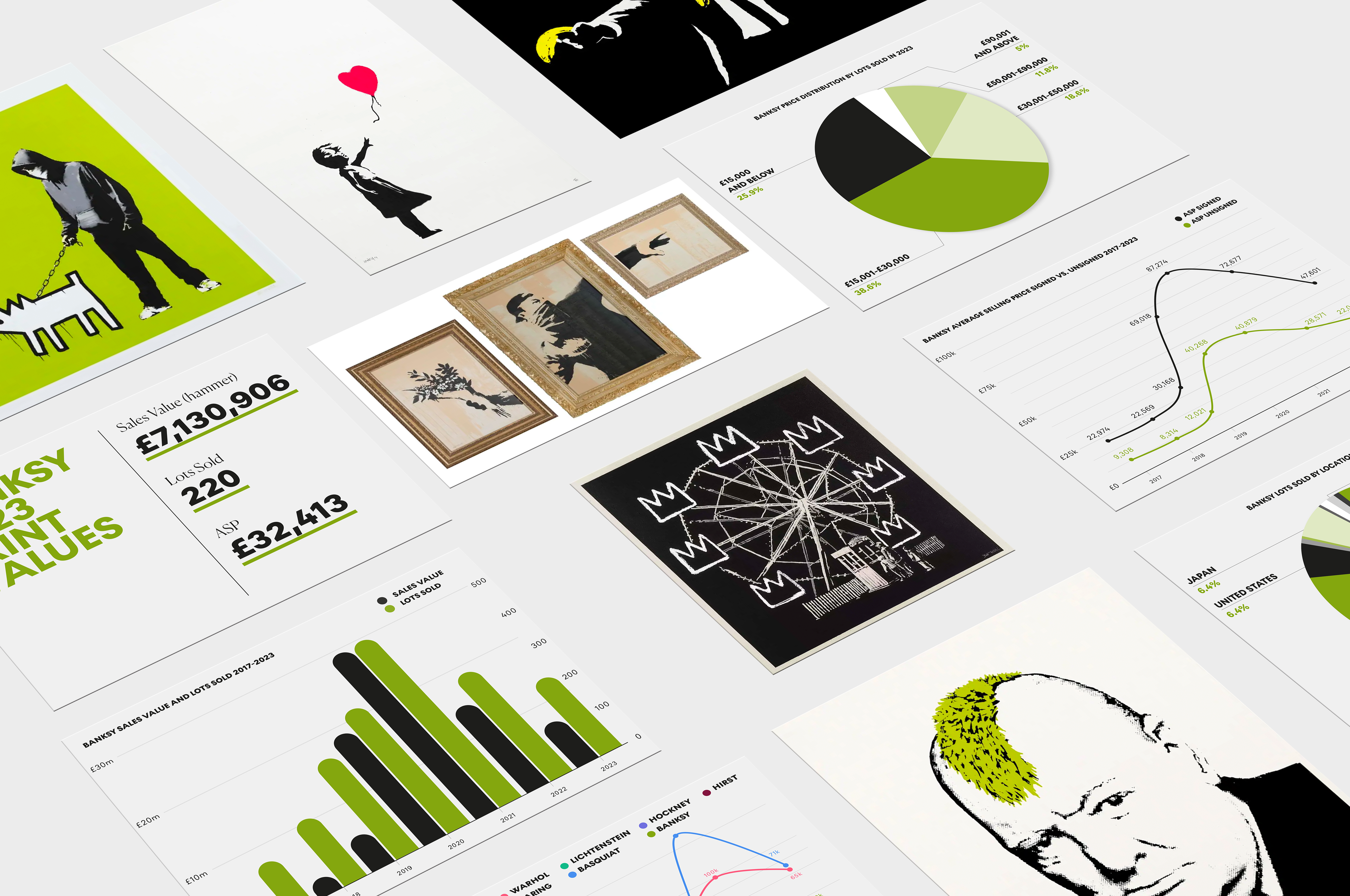


But this narrow focus obscures the breadth of Banksy’s print practice and, crucially, the pockets of value still hiding in plain sight. The market’s fixation on a handful of motifs has left several earlier, rarer, or more complex editions trading at meaningful discounts relative to their long-term potential. These are works that tell a more complete story of Banksy’s development: his politics, his satire, his relationship to street culture and subversive visual language. Importantly, they also offer collectors a way to diversify beyond the obvious - an approach that has historically outperformed in every mature prints market, from Hockney to Haring.
Here we look at the undervalued strata of the Banksy edition market, particularly series like I Fought the Law, Trolleys, Weston Super Mare, Sale Ends (Vandalised), and early unsigned works. It unpacks their scarcity, their trade patterns, and the opportunity they represent for collectors who want exposure to Banksy without paying a premium for sheer fame.
Why Certain Banksy Prints Stay Undervalued
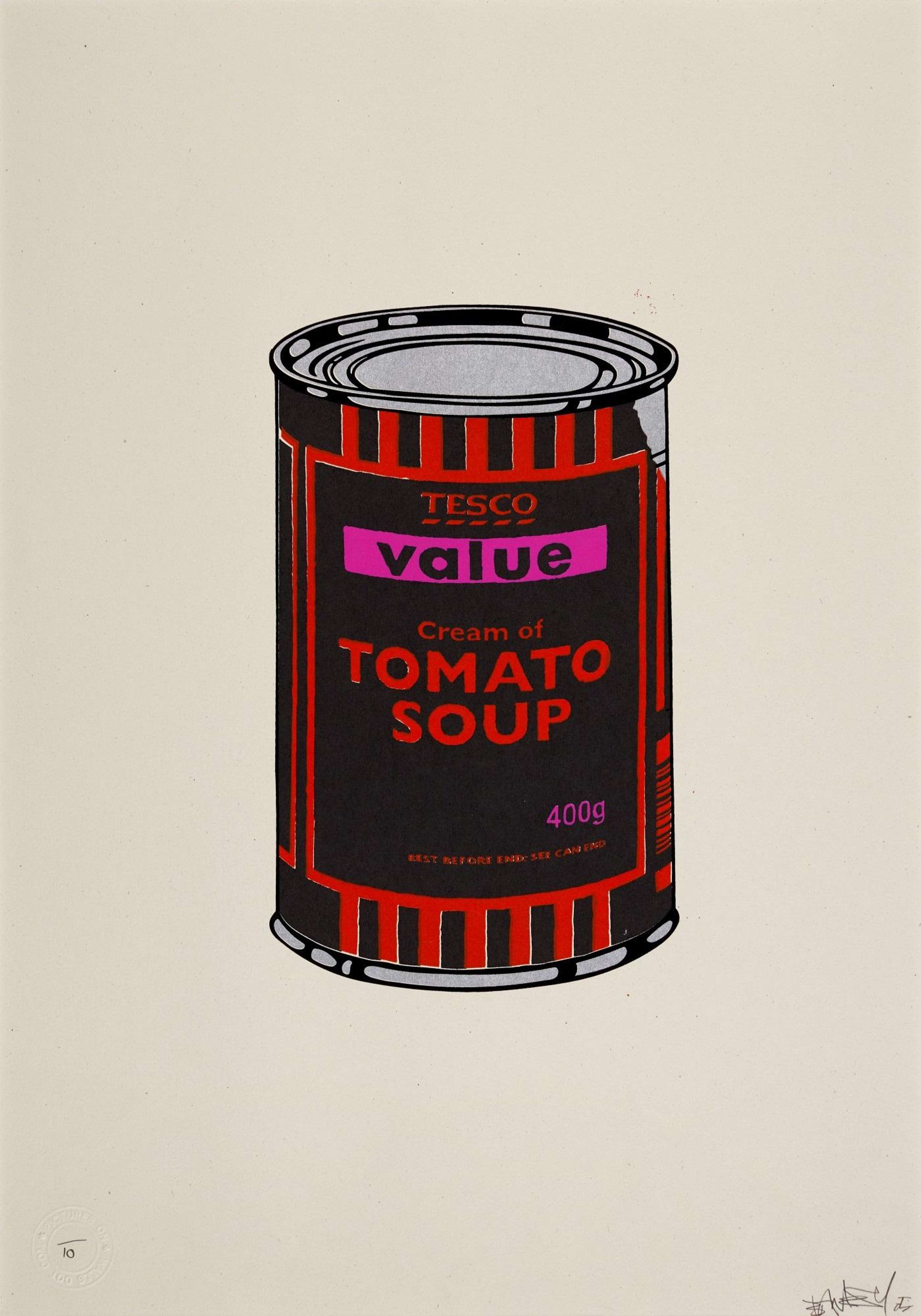
The Banksy market has always skewed towards the immediately legible image. Works like Girl With Balloon or Love Is In The Air operate as cultural shortcuts, they encapsulate “Banksy-ness” in a single glance. They are easy to understand, easy to explain, and easy to post. All of this inflates demand.
At auction, this creates a circular economy of visibility: the works that appear most often are the ones that continue to define the market because they are the most liquid. This doesn’t imply they are necessarily the best investments; only that they have momentum.
By contrast, several of Banksy’s strongest conceptual editions are scarcer, less traded, and under-recognised. Lower supply means fewer auction comparables. Fewer comparables create uncertainty. Uncertainty depresses prices. And depressed prices, in a market as sentiment-driven as this one, create opportunity.
I Fought the Law: Undervalued Satire
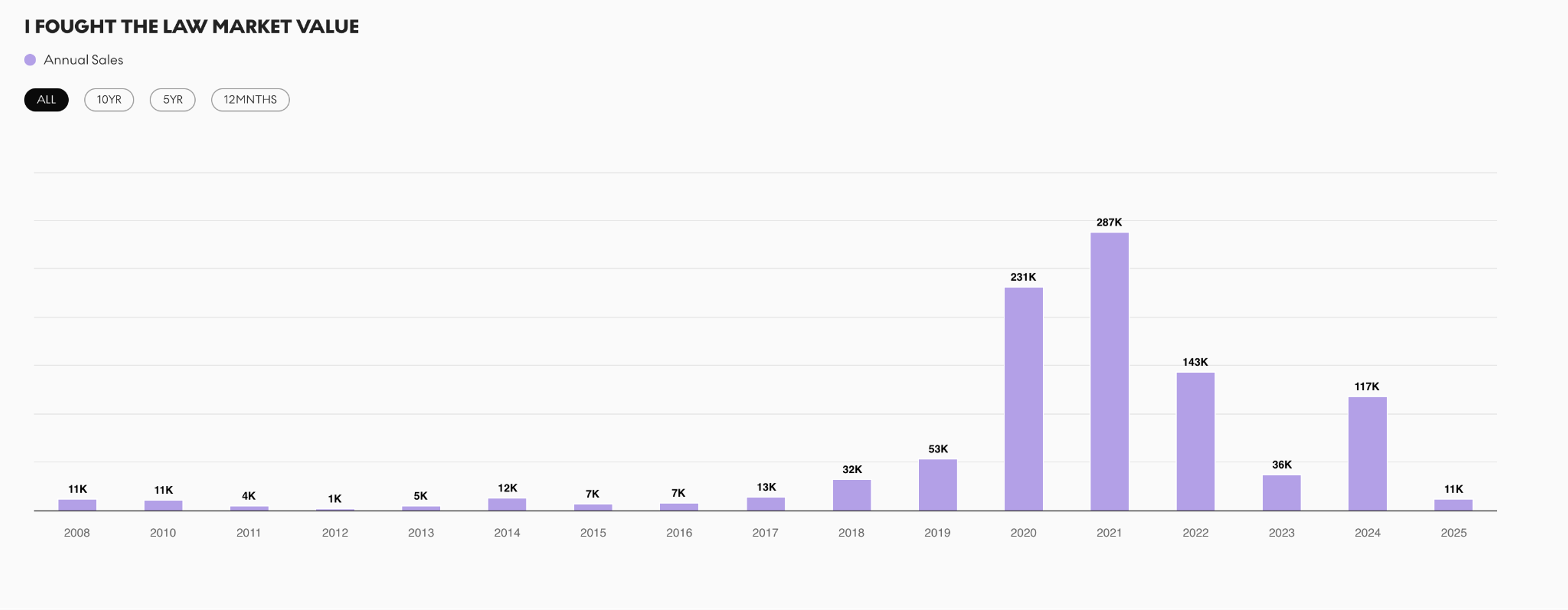
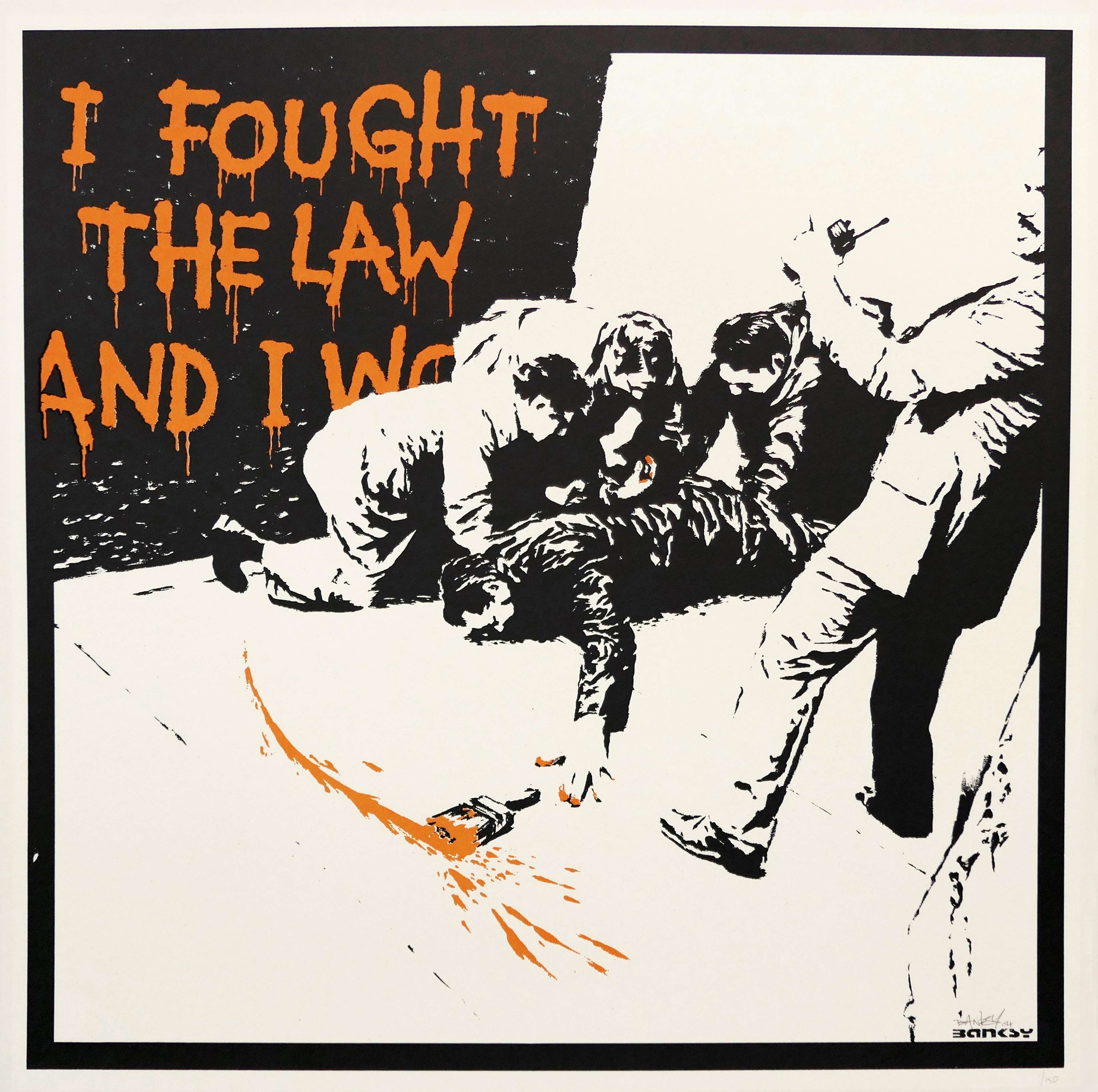
Among the most compelling undervalued works is I Fought the Law, a biting satire that predates Banksy’s global mania. The print exists in relatively small numbers, especially signed examples, but it has never enjoyed the cultural saturation of his more romantic imagery.
What makes it interesting today:
- Scarcity: The edition size is modest, and attrition over two decades has reduced the active supply further. Signed examples surface infrequently compared to Girl With Balloon or Choose Your Weapon.
- Historical relevance: It sits in the lineage of Banksy’s anti-authoritarian narratives, predating key political works of the late 2000s.
- Low trade frequency: This is a double-edged sword. Some collectors misread low volume as lack of demand, but in mature markets, it often reflects loyalty. Owners hold onto high-quality concept-led prints for longer.
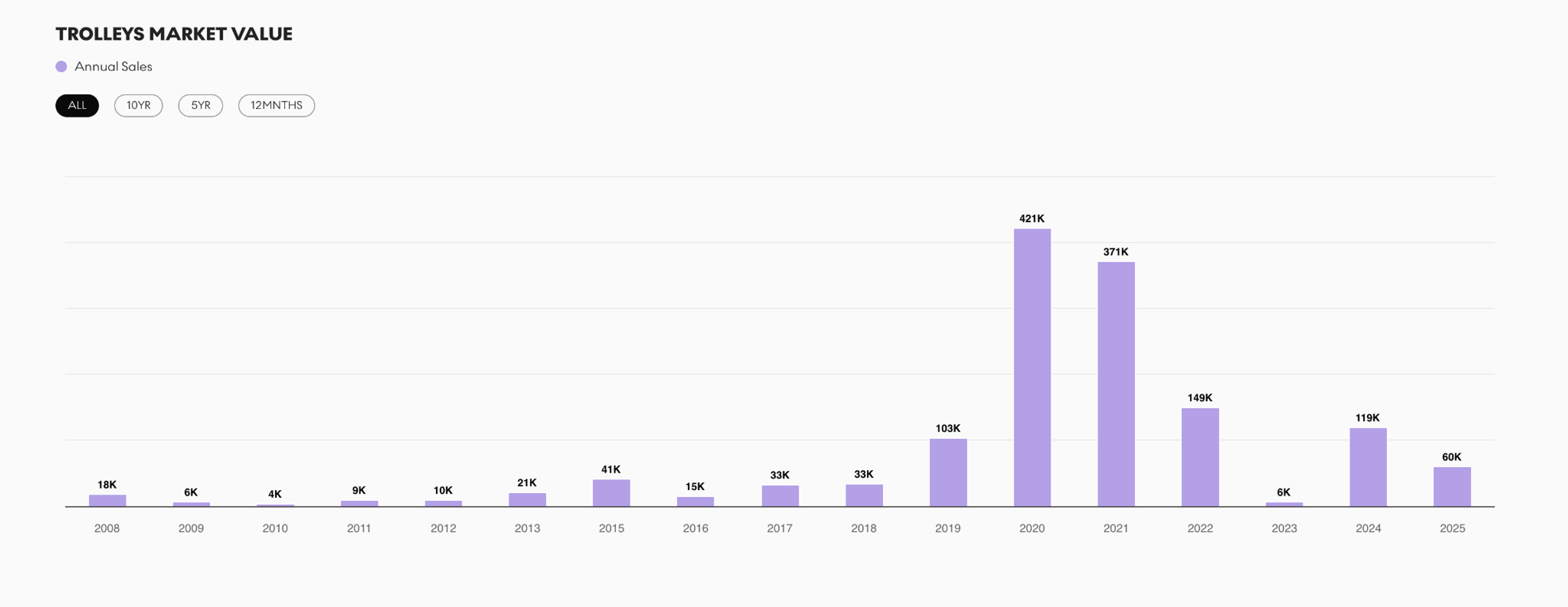
Trolleys: A Mature Edition With Clear Signals
Trolleys is one of Banksy’s most structurally important works. It marks a shift from early graffiti-inspired prints to more polished, narrative-driven compositions. It also operates on a topic, consumer culture, that has only become more relevant in the years since its release.
Why it remains undervalued:
- Edition Complexity: There are multiple variations (including colourways), each with different edition sizes, a detail often lost in headline sales reporting.
- Mid-range liquidity: Trolleys trade steadily but without hype. This creates pricing that is grounded rather than reactive.
- Collector behaviour: Long-term Banksy collectors tend to rate Trolleys highly, but newer buyers gravitate to the more Instagram-friendly works. This mismatch between expert preference and mainstream attention usually signals a pricing imbalance.
Historically, in markets like Warhol and Haring, early satirical works moved from “undervalued” to “core canon” as collector education improved. Trolleys is positioned in a similar place today.
Works Hiding in Plain Sight: Smaller Editions, Quiet Bets
Several Banksy editions fall into what some collectors call the “low-noise corridor”: modest editions, quietly traded, with strong conceptual weight.
Examples include:
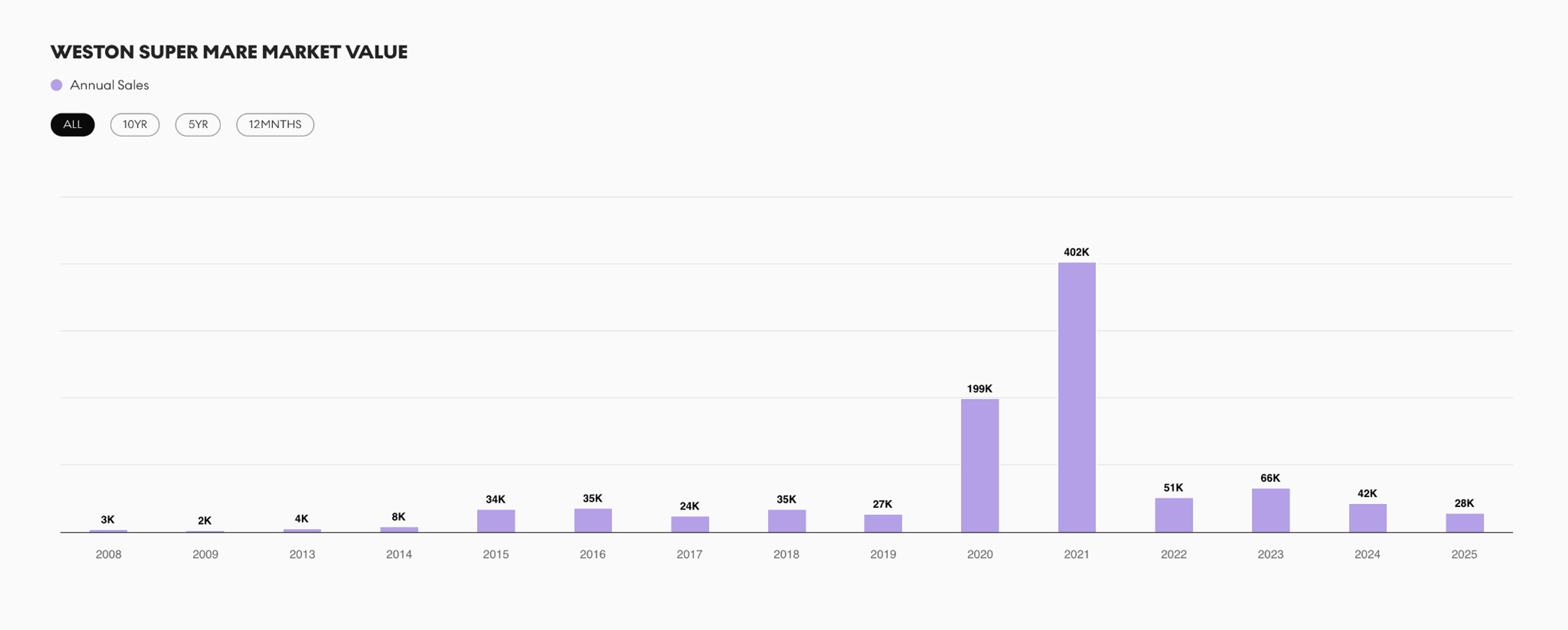
Weston Super Mare: A rare edition reflecting Banksy’s deep connection to site-specific satire.
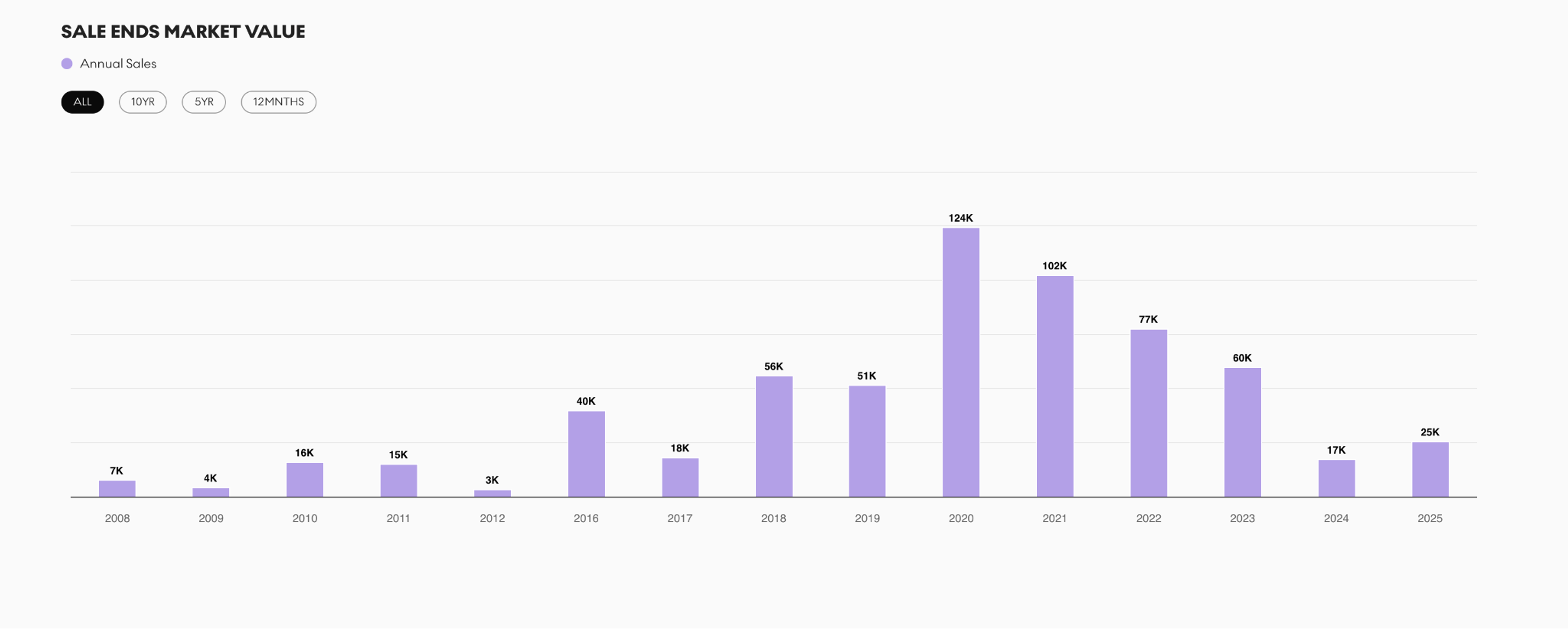
Sale Ends (Vandalised): One of his clearest commentaries on capitalism and art itself, yet undervalued relative to its narrative power.
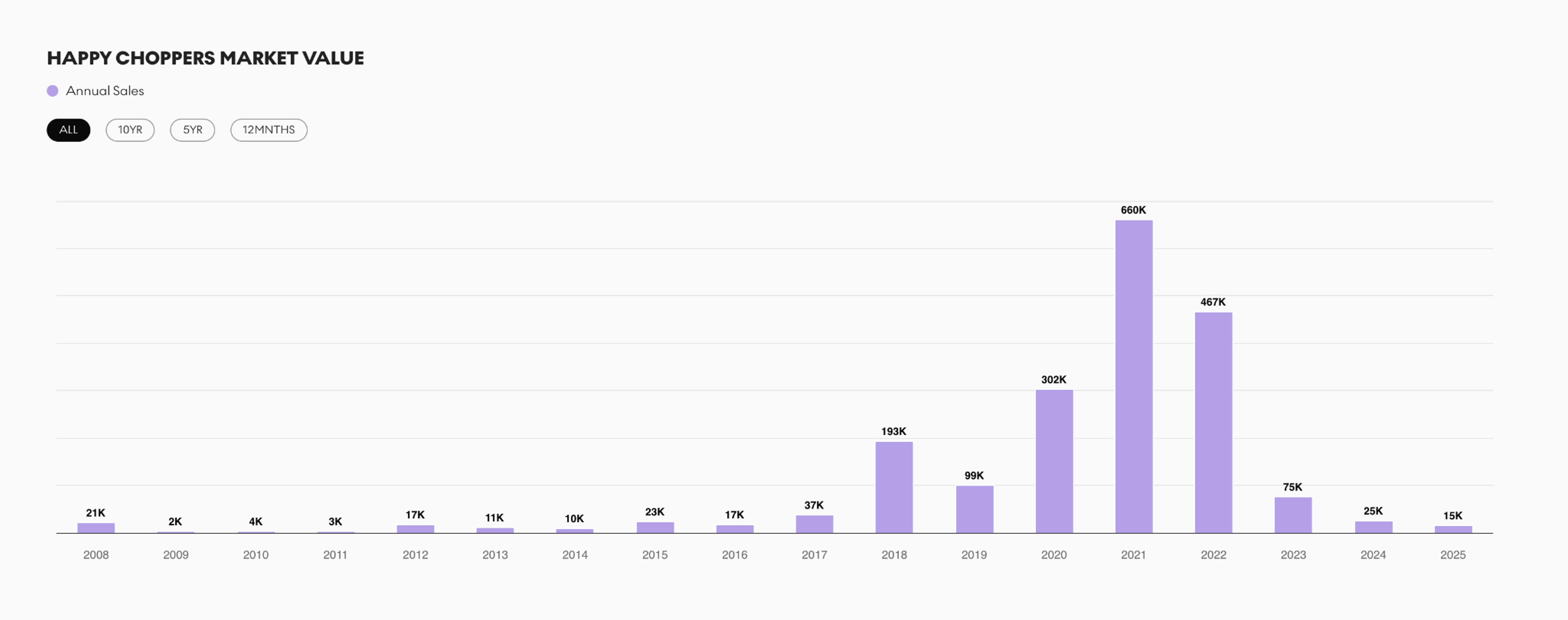
Happy Choppers: A strong link to his anti-military works, with a surprisingly thin auction record given its importance.
Laugh Now (early unsigned states): Historically overshadowed by the signed edition, but increasingly recognised as foundational Banksy oeuvre.
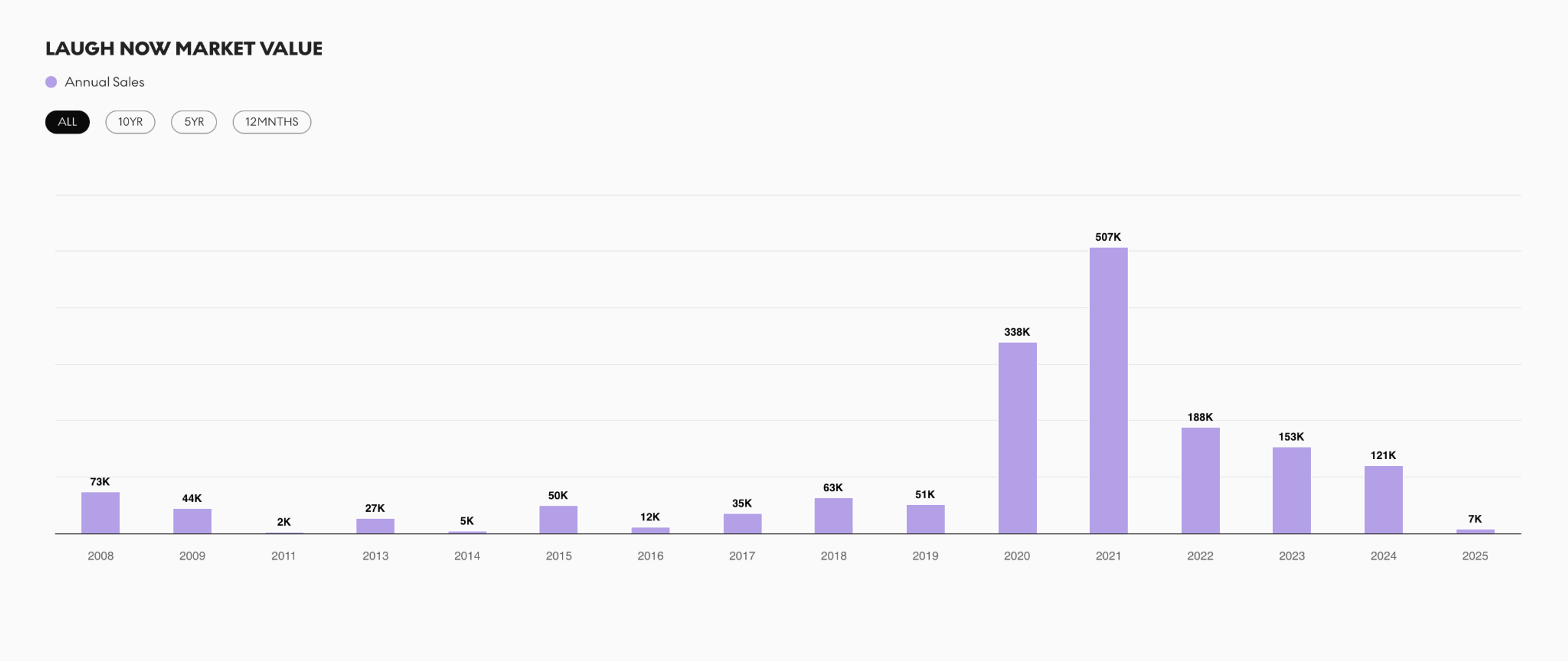
These are works with low attrition and few public sales. In the prints’ market, scarcity plus narrative depth tends to outperform volume plus popularity over long horizons.
Trade Patterns: What the Past Tells Us
Looking back at 15+ years of Banksy print trades, several patterns emerge:
Lower-frequency editions experience fewer downturns.
Highly traded icons follow market swings closely. Lower-volume works show more stable long-term trajectories because they are held, not flipped.
Signed vs. unsigned performance widens in volatile markets.
During slow periods, collectors gravitate to signed works as a risk hedge. This benefits undervalued signed editions far more than blue-chip unsigned icons.
Quality works with complex narratives perform well during rediscovery cycles.
Banksy’s market moves in cycles tied to exhibitions, documentaries, and political events. Each time, collectors look beyond the trophy works. That’s where the re-rating usually begins.
A sensible approach to Banksy today isn't to just chase the icon premium, it's to position oneself across the full range of his edition output.
- Anchor with one recognisable work, ideally signed. (Choose Your Weapon or Love Is In The Air often offer better risk-adjusted value than Girl With Balloon.)
- Add one early political edition, such as I Fought the Law, Happy Choppers, or Weston Super Mare.
- Add one socio-economic commentary work, like Trolleys or Sale Ends.
- Allocate to a lower-visibility gem - something with rarity and depth but limited auction history.
- Avoid overexposure to any single motif, arguably especially balloon imagery.
This approach mirrors how seasoned print collectors operate in every category: anchor with the obvious, outperform with the overlooked.
What’s great about a maturing Banksy Market?
The moment a market grows beyond a handful of icons is the moment it becomes healthier. Banksy’s secondary market has long undergone that shift. The data from the past three years points toward diversification: fewer balloon-centric trades, more interest in political works, and a gradual rediscovery of early editions that once sat in the shadows.
Collectors who widen their lens now are entering the market at a point where taste is broadening and supply is tightening - conditions that have historically benefited those willing to look beyond the obvious.
The “overlooked” works are not footnotes, like many works outside of the main canon of an artist’s output sometimes are. They are the connective tissue of Banksy’s print practice, and they are where some of the sharpest value still sits and will weather storms better. As the market further matures, these editions will define the more nuanced, historically grounded understanding of Banksy that’s now long overdue.