
In the feverish art markets of 2020-2021, Banksy prints surged to unsustainable highs, fueled by pandemic-era speculation, meme-fueled hype, and a rush of new collectors seeking cultural cachet. By mid-2025, those same prints have declined by as much as 83% from their peak - a brutal correction that has, paradoxically, reset the playing field for long-term investors.
Today, Banksy is no longer the poster child for market excess. He’s an undervalued, strategically positioned asset in a cooling but increasingly rational contemporary art market. With no new prints since 2017, a locked authentication system, and swelling millennial and Gen Z demand, this is a rare moment of convergence: depressed pricing meets constrained supply meets sustained global interest.
Our recommendation? Buy selectively. Banksy prints now sit in a pricing sweet spot, £20,000–£50,000 for iconic, authenticated works, offering a strong 3–5 year upside for those willing to ride short-term volatility.
The Macroeconomic and Art Market Context: Volatile, But Favourable for Tangible Assets
Economic Signals Are Mixed, But Tangibles Are Trending
As of July 2025, the macro picture remains foggy. The Federal Reserve has taken a cautious stance, with interest rates sitting at 4.25–4.50% and growth slowing to 1.4%. Inflation is proving sticky, especially with tariffs reintroduced in key markets. In short: a stagflation-lite environment with no obvious near-term resolution.
And yet, alternative assets - especially those with cultural and emotional utility - are weathering the storm. Despite a -3.3% pullback in Knight Frank’s Luxury Investment Index, tangible goods like classic cars (+25%) and blue-chip art under £50K are showing resilience. In this context, Banksy emerges as a cultural safe haven - volatile, yes, but uncorrelated and increasingly liquid.
Contemporary Art: Under $50K Is Where the Action Is
The broader art market contracted in 2024, with global sales down 12%. But the volume of transactions actually rose - a sign that the middle market is alive and active. High-end buyers have paused; sub-$50K collectors have accelerated. This is exactly where most Banksy prints sit today.

Bull Case: Scarcity, Relevance, and a Generational Demand Wave
Scarcity Is Real - and Getting Worse
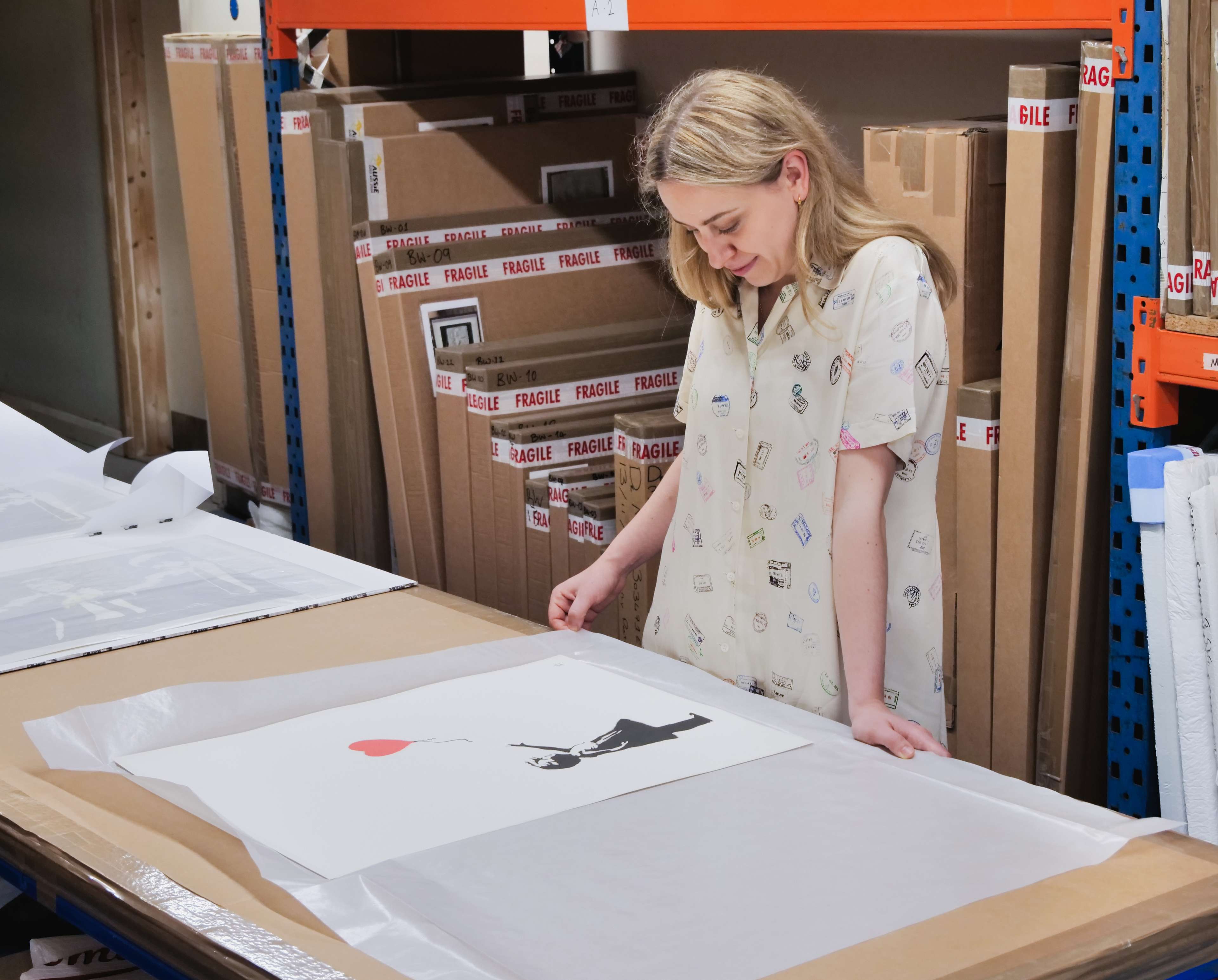
There have been no new Banksy prints since 2017. That’s an eight-year freeze in supply. Prior to that, the artist went dark from 2010–2017. This structural lack of output, combined with natural attrition (damaged works, destroyed works like Girl with Balloon), creates a scarcity premium rarely matched in the print world.
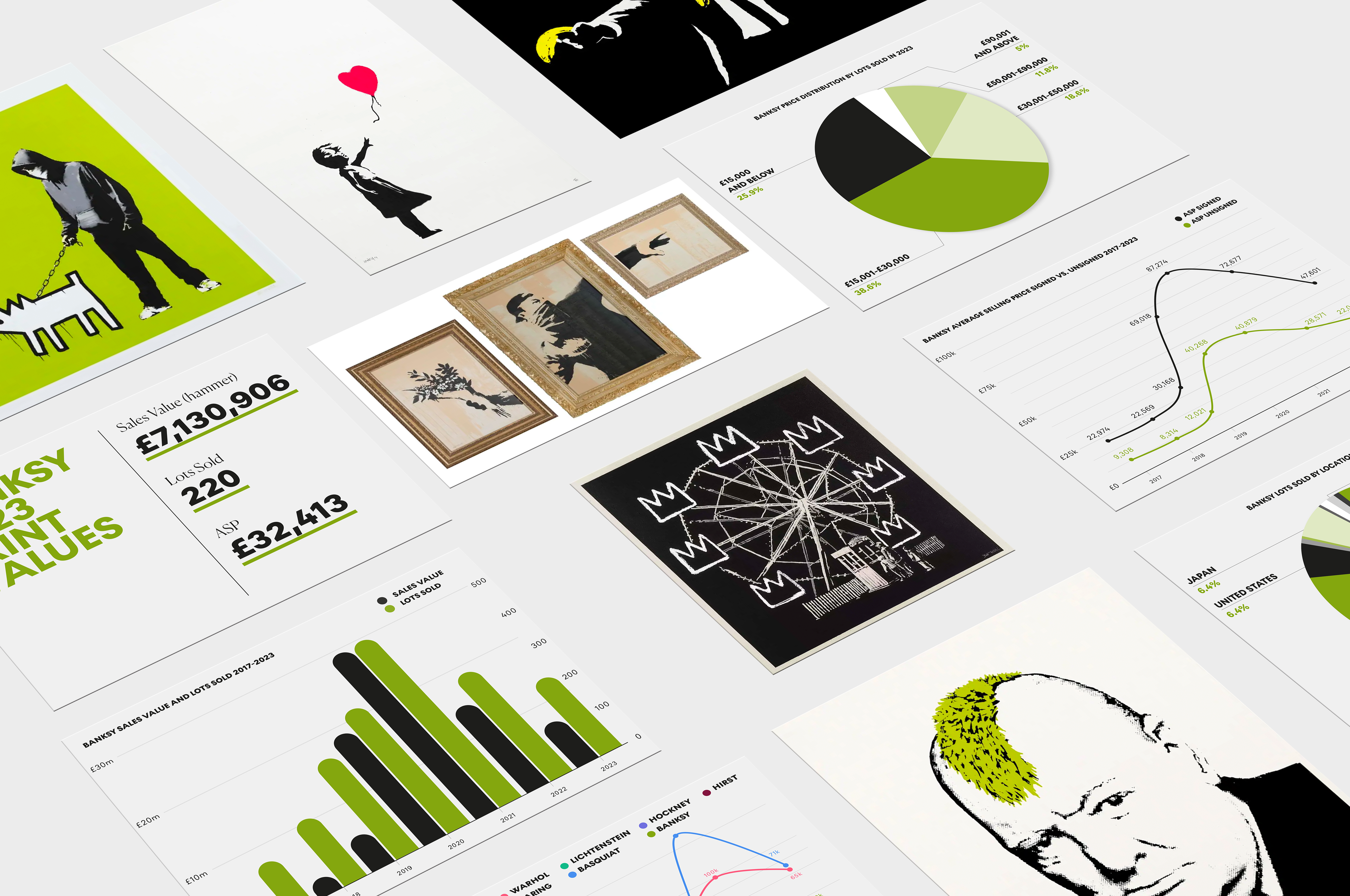
Signed prints now average £28.6k, and unsigned £10.6k - both levels that reflect dramatic declines from 2021, but also historic norms that are far more sustainable.
Demand Is Evolving, and Expanding
Millennials and Gen Z now account for 29% of Christie’s global clientele. Younger collectors are both more values-driven (86% cite social impact as a priority) and more comfortable transacting online. Banksy, with his anti-establishment ethos, Instagram-era fame (13.2 million followers), and street-to-museum narrative, aligns perfectly with this shift.
Demand has also expanded geographically, particularly in Asia. Recent Hong Kong sales have outperformed expectations, and private sales have grown 2% YoY to $3.9 million globally.
Performance Metrics Back It Up
Today’s sell-through rate of 84.3% indicates strong, if selective, liquidity, especially for iconic images like Girl with Balloon, Flower Thrower, and Love Rat.
The average 5-year CAGR for all Banksy prints? 26%. For unsigned prints? 14.6%. This isn’t just art, it’s asymmetric potential for portfolios with a taste for volatility.
Bear Case: Volatility, Forgery, and the Ghost of the COVID Bubble
To ignore the risks would be irresponsible.
The Bubble Was Real
Banksy’s market grew 3x during the pandemic, reaching highs that even seasoned dealers considered unsustainable. The crash came swiftly: from £35.2M in annual turnover in 2021 to just £6M in 2023. Academic studies have confirmed it was a classic speculative bubble.
However, that crash may have created a buying floor. Many prices are now back to pre-COVID levels, reflecting intrinsic rather than speculative value.
Authentication Bottlenecks Are a Friction Point
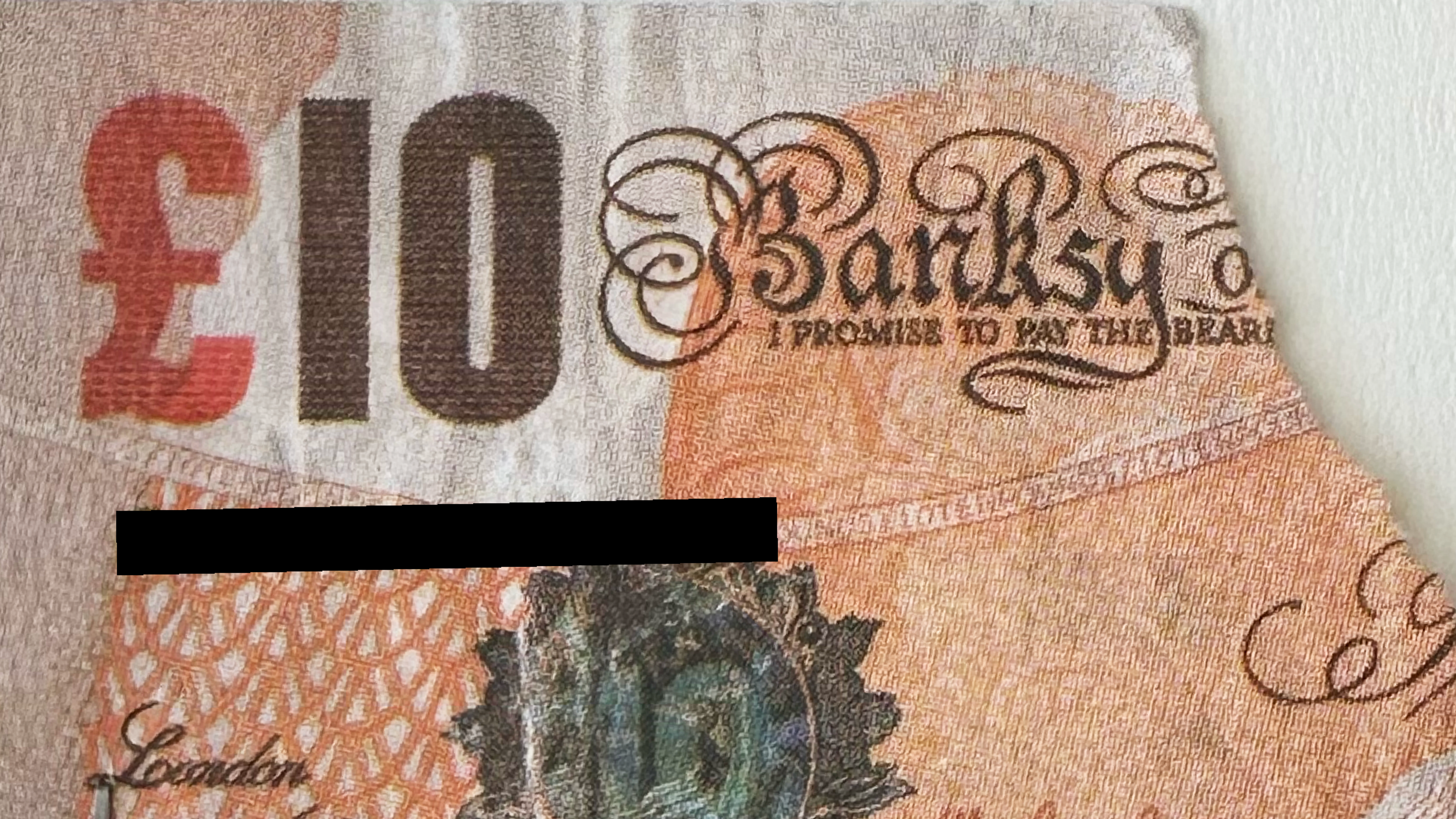
Pest Control, Banksy’s sole certifying body, remains notoriously slow, with wait times stretching months or even years. In parallel, forgery remains an issue: over 2,000 fake works were seized in Europe in 2024 alone.
Still, Pest Control’s existence is a strength: it brings institutional legitimacy and keeps the market from flooding with illegitimate works.
High Friction Costs, and Market Transparency Gaps
Transaction costs (including buyer’s premiums, seller’s commission, VAT) can hit 45–50%. That’s a major hurdle for short-term flips. Add in shill bidding concerns and a still-evolving online market, and buyers must proceed with strategic caution, ideally via established, specialist platforms.
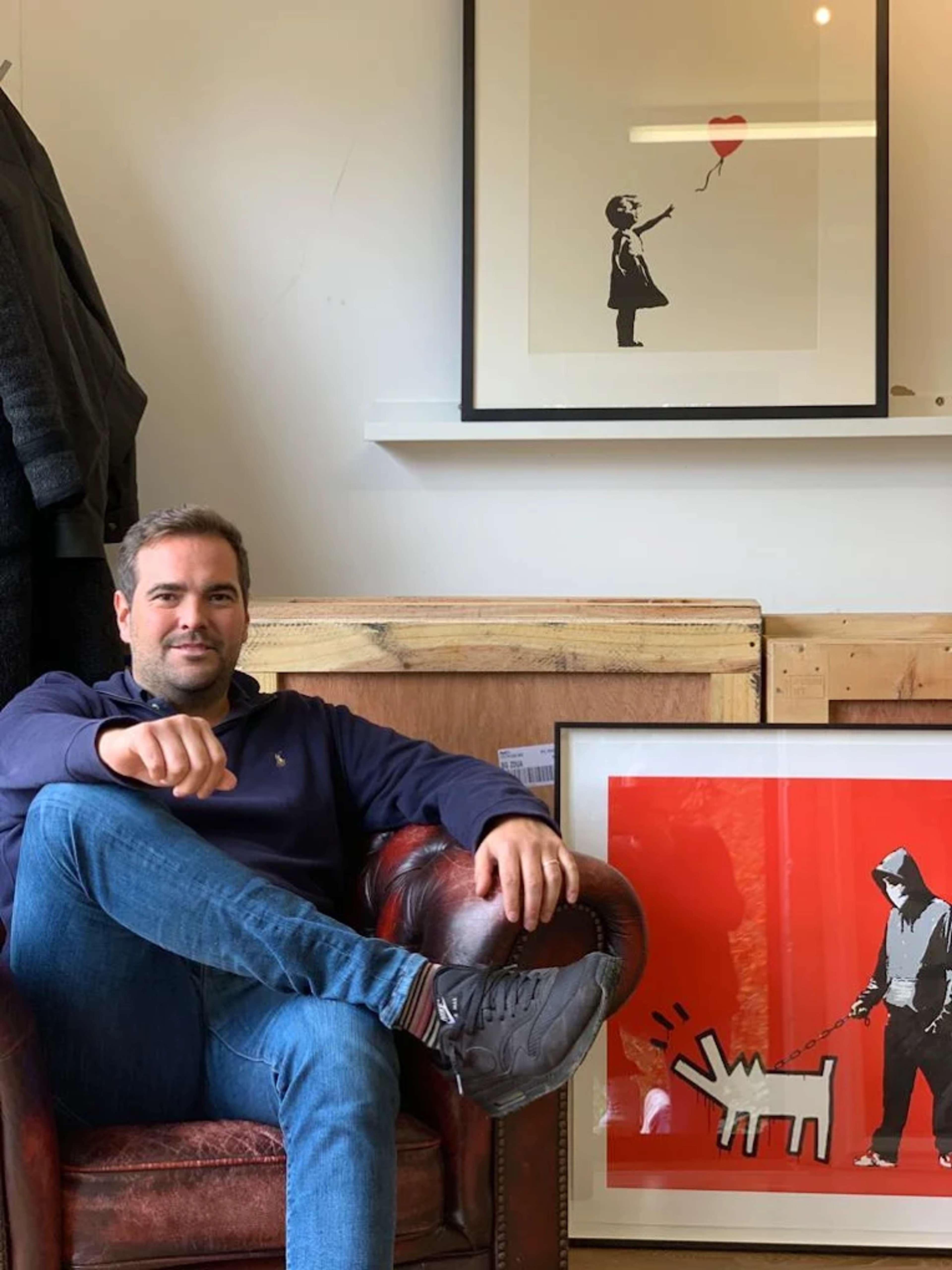
Strategic Fit: Who Should Be Buying, and What Should They Buy? Joe Syer Explains
“This is not a blanket buy call. It’s a strategic accumulation window for collectors, family offices, and sophisticated investors willing to ride out volatility."
Joe Syer’s advice:
- Stick to iconic imagery with proven secondary market demand
- Insist on Pest Control COA and full provenance
- Target prints in the £20,000–£100,000 range for optimal liquidity
- Spread purchases over 6–12 months
- Work exclusively with trusted dealers
- Insure and document everything
- Plan exits to account for ~50% costs
The post-bubble correction has delivered a more rational, accessible entry point for those willing to think in years, not months. For all the drama of the crash, the fundamentals, scarcity, relevance, global demand, remain rock solid.
If you believe in owning cultural assets with real-world traction and historical return profiles, Banksy isn’t just a conversation piece. Right now, he’s a smart, strategic play.
Prepared by the MyArtBroker Private Sales & Research Team
For bespoke advice or private portfolio reviews, contact: info@myartbroker.com