
At the London Original Print Fair 2026, a panel chaired by Erin-Atlanta Argun of MyArtBroker laid this out with clarity. She was joined by a unique blend of specialists in prints, each of whom brought an enlightening perspective – and just one slice of the pie to illustrate how dynamic the market is. Louisa Earl, American Pop Specialist at MyArtBroker, approached editions through the secondary blue chip market. Dario Illari, Director of Jealous Gallery, spoke from the perspective of a working print studio collaborating directly with living artists. And Harry Pruden, Director of Hommage Art, brought a specialist perspective on vintage exhibition posters and lithographs tied to modern masters, a market deeply connected to the publishing culture of twentieth-century Paris.
Together, the specialists illustrated that the editions market does not operate through a single definition of value – and this is something that can only be seen at a fair dedicated to prints. Some collectors are buying liquidity and price transparency. Others are buying process, artistic collaboration, graphic history, or proximity to an artist's visual identity. Understanding which part of the market you are entering is the very first stage of informed collecting. It shapes how works are valued, traded, and collected – and determines the questions you should be asking before you buy.
Blue Chip Prints and the Secondary Market
Louisa described a category that has transformed over the last two decades, driven largely by access to information. Prints have become one of the few areas of the art market where collectors can compare prices, follow auction histories, and research specific works with relative ease. That visibility has fundamentally changed how collectors buy and how the market values editions.
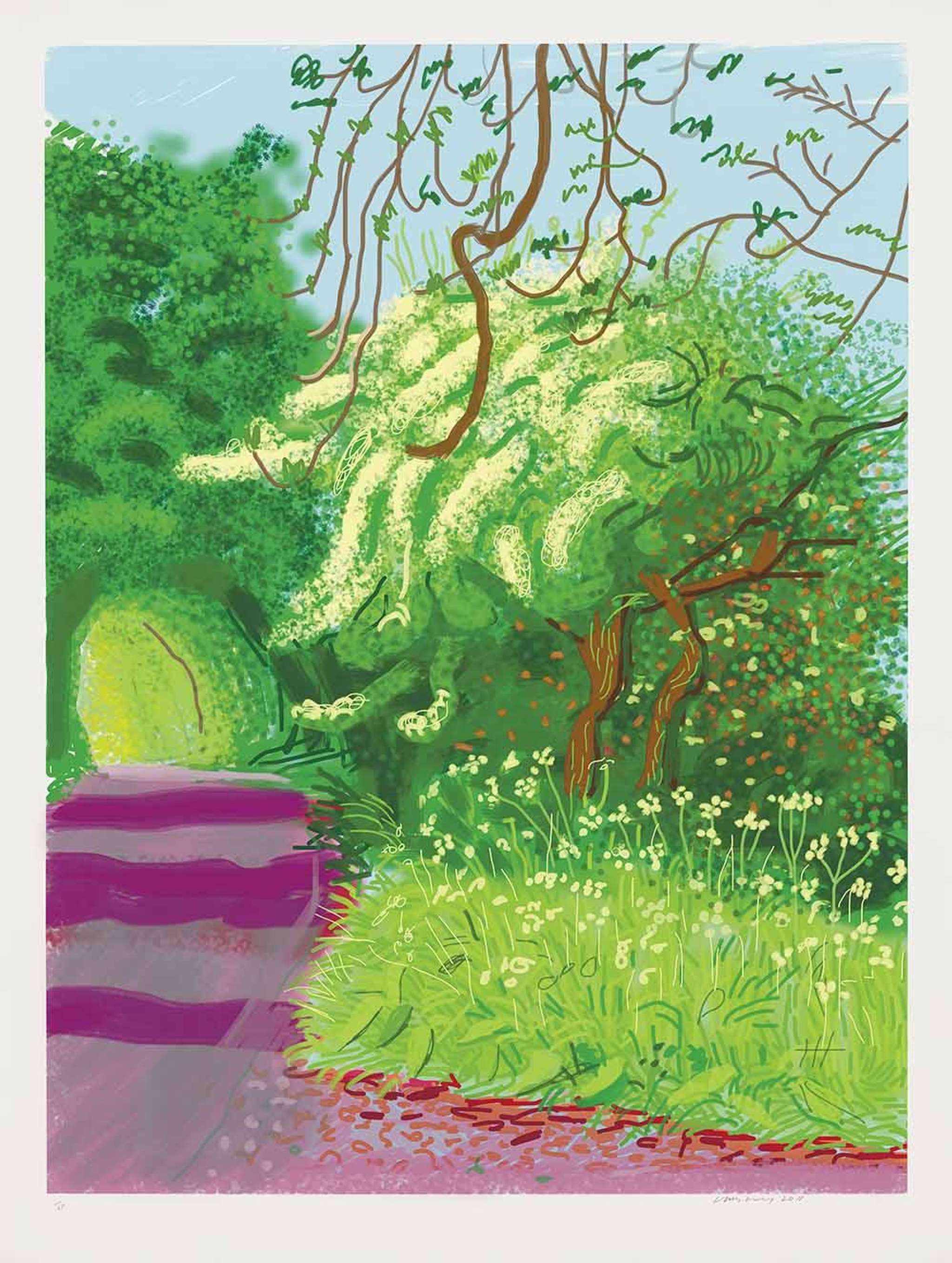
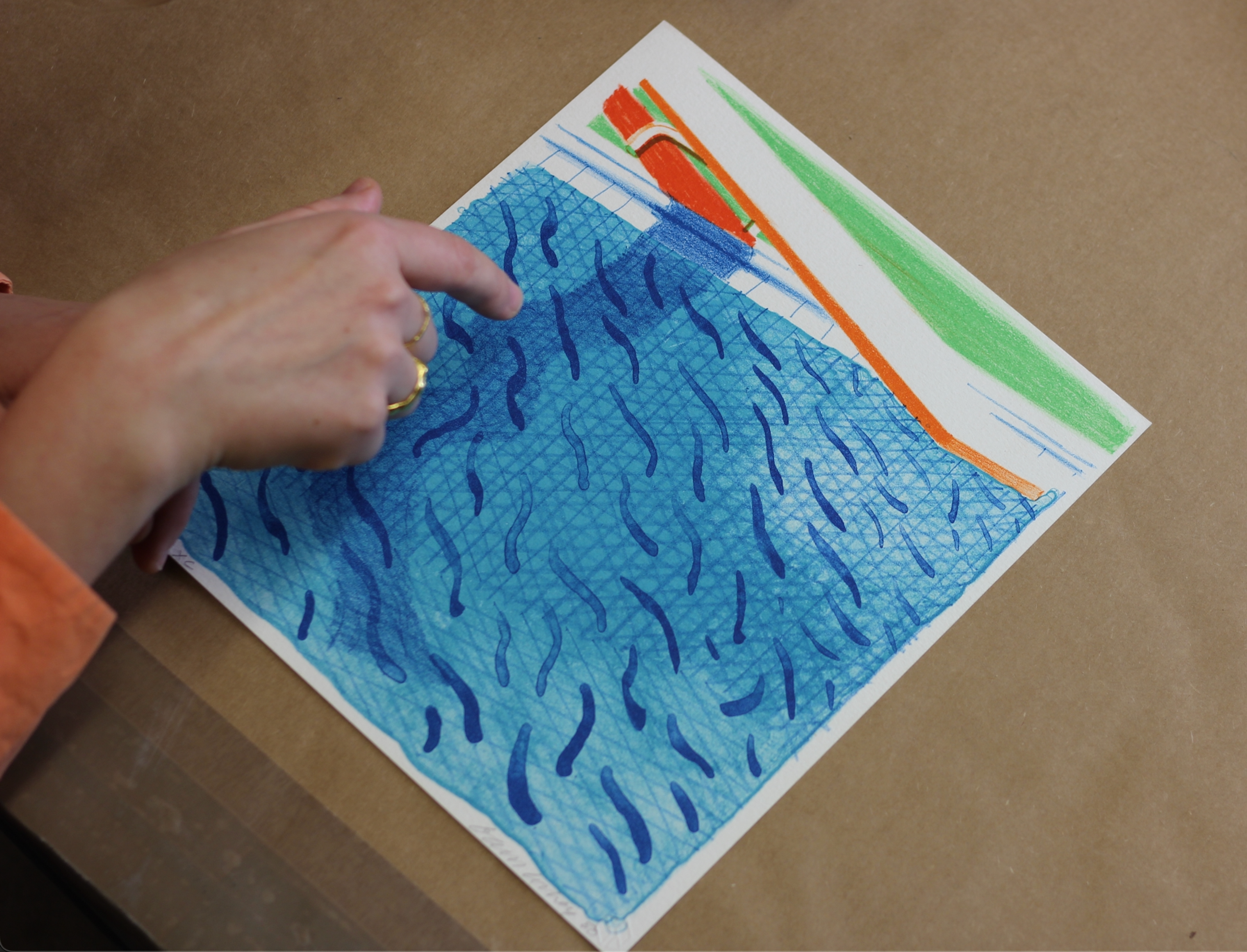
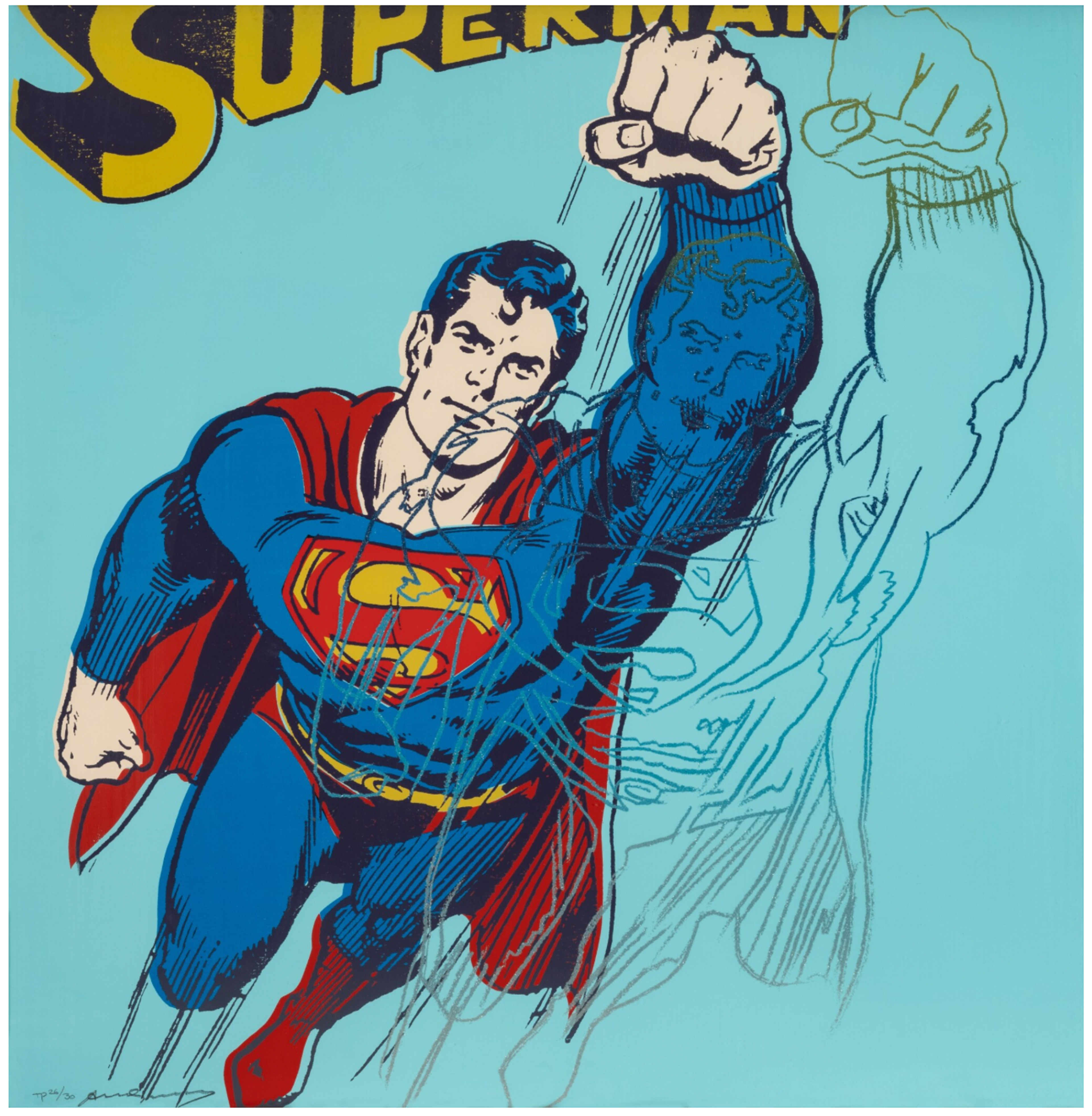
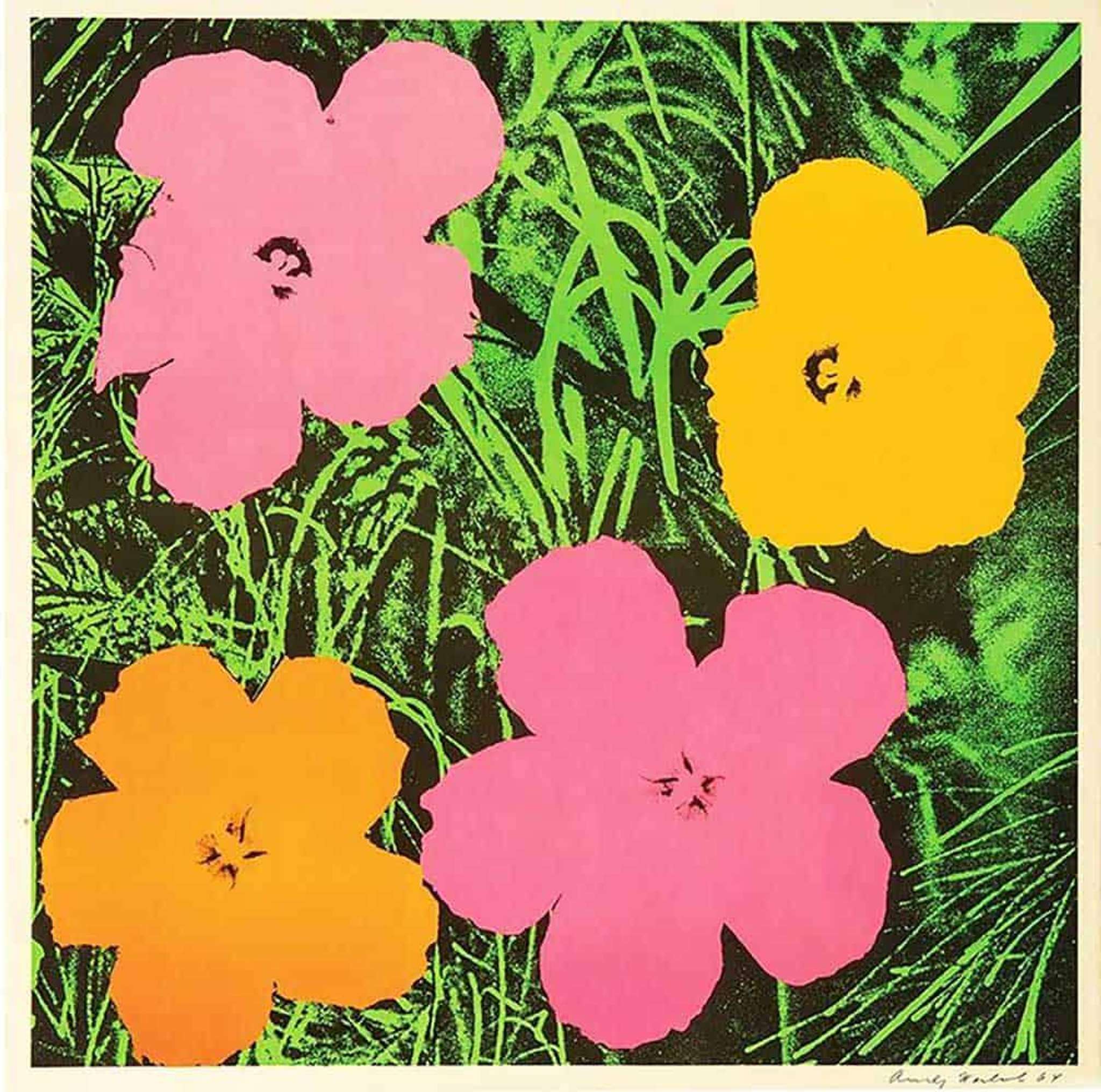
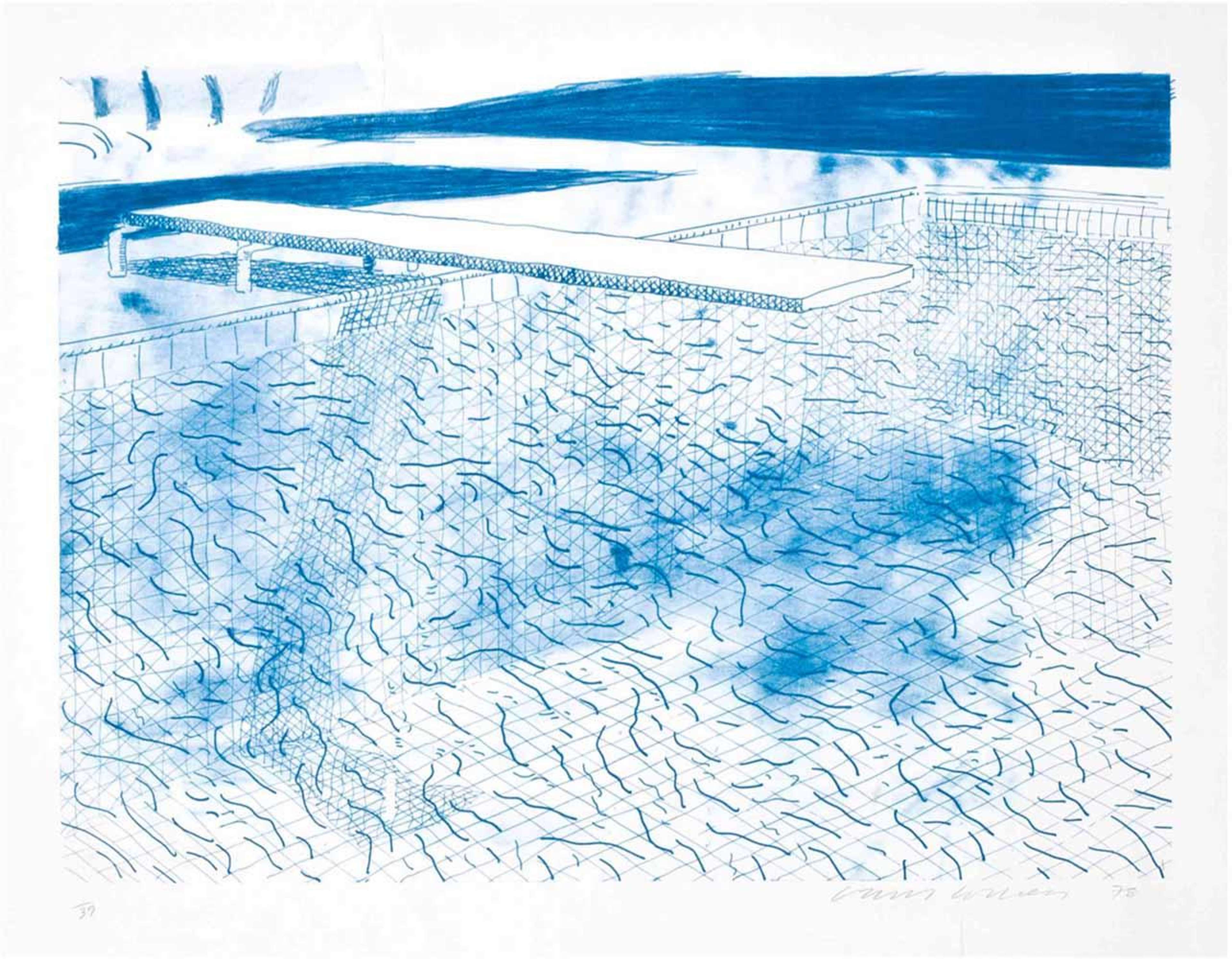
As original works by artists such as Andy Warhol or David Hockney have moved increasingly out of reach, editions stopped functioning merely as substitutes and began operating as blue chip assets in their own right. Yet even within established artist markets, value is highly selective. Louisa pointed to Hockney's swimming pool imagery and The Arrival Of Spring series as examples of how demand clusters around recognisable visual identities. The market may speak broadly about “a Hockney print,” but pricing is determined by a narrower set of factors: image recognition, composition, rarity, proof structure, and liquidity history.
On the question of where to buy, Louisa drew a useful distinction between auction and private sale. Auction offers breadth and institutional confidence. They provide access to a wide range of works and the excitement of open competition in the room, but collectors are also largely navigating on their own. Private sale operates differently: slower, more conversational, and with a specialist acting as counterparty throughout the transaction. Neither is inherently better; they suit different types of collectors and different stages of collecting. The important thing is understanding which environment suits how you buy, and what due diligence looks like in each.
What emerged most clearly from Louisa’s perspective was that prints have become one of the most transparent sectors of the art market. Comparable sales data gives collectors far greater visibility around value, but understanding how factors such as condition, rarity, proof structure, and image desirability affect pricing still requires expertise.
Print Studios and Original Editions
Where Louisa described editions through data and market structure, Dario approached them through process – and in doing so challenged one of the market's most persistent assumptions: that prints sit hierarchically beneath paintings.
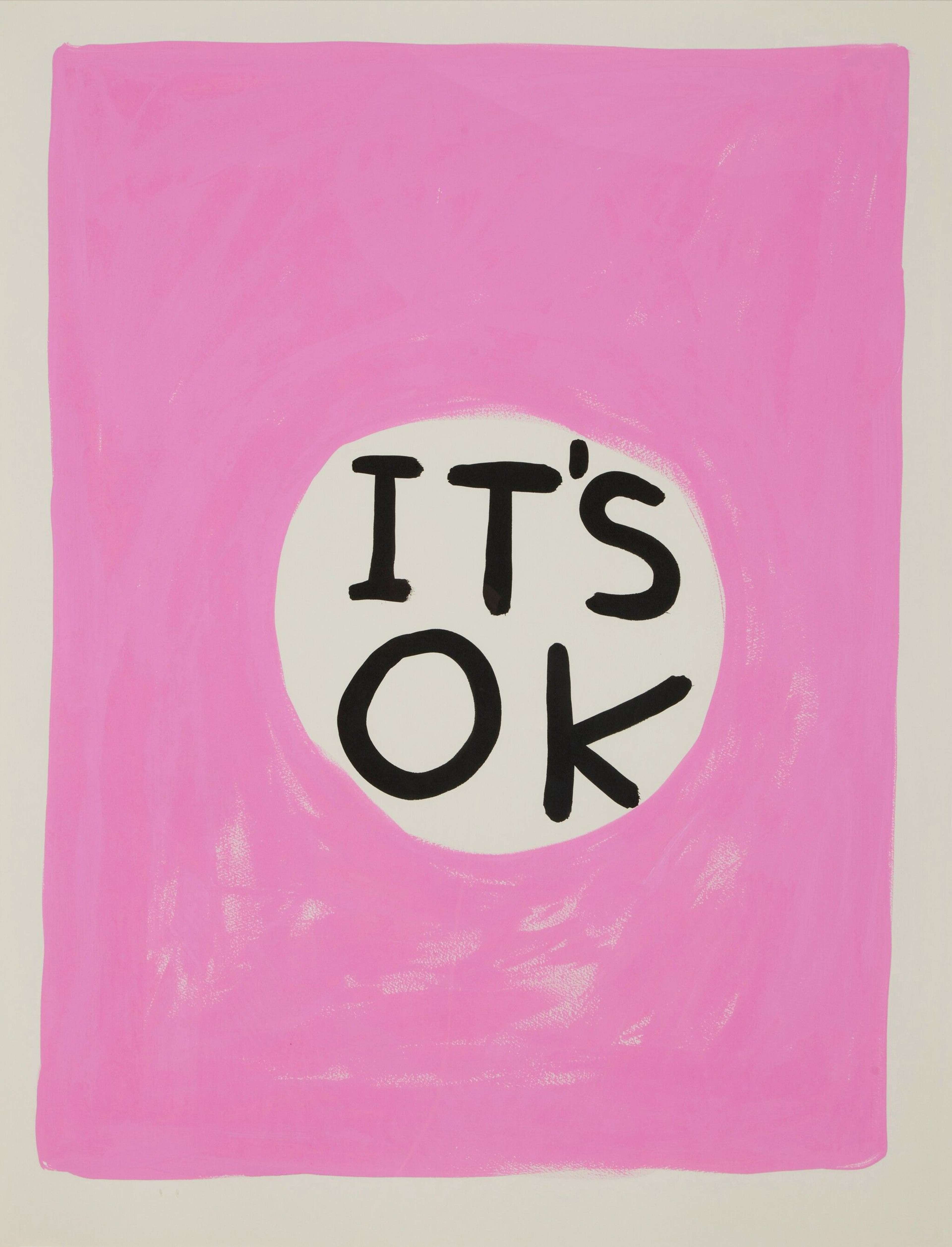
Jealous Gallery has worked with Michael Craig-Martin, mentor to the YBAs, Ben Eine, and David Shrigley, among others. Dario described printmaking as a sincere and active collaboration between artist and studio rather than a reproductive exercise. A single screen print can require thirty or more colour mixes, but a printer might manage only five a day. If temperature shifts, paper expands and registration falls out. Trial proofs, BATs, artist's proofs – each stage is problem-solving in which artist and printer work in tandem toward something that didn't exist before.
That technical and collaborative process plays a direct role in how editions are valued. Trial proofs and artist's proofs are not simply rarer versions of an image. They represent moments of experimentation and decision-making within the creation of the work itself.
Dario used Shrigley as an example. When Shrigley makes a print at Jealous, the preparatory work is never sold as a standalone piece. The print is the original. For Dario, success lies in reaching a point where the final edition carries the same presence and authority as a unique work.
For buyers entering primary editions, process literacy has become increasingly important. Understanding who published the work, where it was printed, whether proofs exist, and how the edition evolved can materially affect both value and long-term desirability. Primary editions sell at a set price; once an edition sells out, the secondary market takes over and price becomes a function of demand. The relationship between artist and printmaker – collaboration versus reproduction – is the question that sits beneath all of this.
Vintage Exhibition Posters and Graphic History
Harry brought the panel's third perspective from a category that occupies a particularly unusual position within the editions market: vintage exhibition posters and lithographs connected to modern masters such as Picasso, Matisse, Chagall, and Hockney.
These works occupy a unique position between print, poster, and advertisement – originally created to promote gallery exhibitions across Paris and other European cultural centres. They were designed to function publicly: bold, immediate, and informative enough to stop someone in the street. Yet they were frequently produced through sophisticated lithographic processes involving close collaboration between artist and publisher, and often in editioned formats. Scarcity therefore exists in what was, at least initially, commercial ephemera.
The education gap in this market is real. One of the most common questions Pruden receives is whether Picasso “painted the poster himself.” The answer is more nuanced: these were not unique paintings, but they were developed with highly skilled publishing studios and remain directly tied to the artist's visual language and exhibition history. Collectors are buying into a tradition of graphic culture that was central to how twentieth-century artists communicated with the public.
For newer buyers especially, vintage posters function as an entry point into collecting that is driven less by investment language and more by design, history, and visual connection. But scarcity, condition, and publishing provenance still create sharp distinctions in value. The same artist can range from a few hundred pounds to five figures depending on image, printer, edition, and condition – and the difference between an original print run and a later restrike can be decisive.
What Collectors Need To Know Before Buying Editions
The editions market has matured beyond a single framework, but the language around it hasn't caught up. A collector buying a Shrigley edition at primary from Jealous is operating in a fundamentally different system to one bidding on a Hockney swimming pool print at auction, or one acquiring a Picasso exhibition poster from a specialist dealer. The pricing logic differs. The risks differ. The questions that protect you differ.
Increasingly, the most informed collectors understand how these systems connect. A primary edition bought today from a reputable studio may enter the secondary market within years, where its value will be shaped by the same data transparency and image-specificity that Louisa described. A vintage poster's worth depends on the same questions of provenance and process that Dario works through daily in his studio.
The through-line across all three perspectives was not a shared definition of what a print is. It was a shared insistence on knowing what you are looking at, who made it, and why it holds value in the particular system where it trades. Approach editions as a layered market, ask the questions that belong to the layer you are buying into, and deal with people who care about what they are selling.