8 Odi Di Orazio
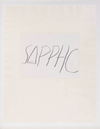
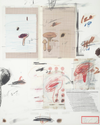
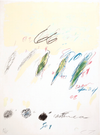
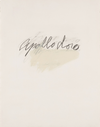
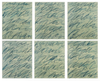
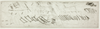
In 1968, Cy Twombly produced the 8 Odi Di Orazio series, comprising sixteen screenprints marked by their distinctively chaotic, white scrawled text against a dark background. Each print in this series is a visual exploration of the works of the ancient Roman poet Horace (Quintus Horatius Flaccus), known for his lyrical odes. This series serves as a testament to Twombly's fascination with the interplay between language, image, and classical literature.
Cy Twombly 8 Odi Di Orazio For sale
8 Odi Di Orazio Market value
Auction Results
| Artwork | Auction Date | Auction House | Return to Seller | Hammer Price | Buyer Paid |
|---|
Sell Your Art
with Us
with Us
Join Our Network of Collectors. Buy, Sell and Track Demand
Meaning & Analysis
Cy Twombly's 8 Odi Di Orazio series is a compelling fusion of text and image, where the artist's signature chaotic scrawls serve as a visual homage to the lyrical odes of the ancient Roman poet Horace. Created in 1968, these screenprints offer a unique interpretation of Horace's poetry, capturing his literary legacy through Twombly's abstract visual language.
In each print of the series, Twombly employs a stark contrast between the dark background and the white, messy scrawls of text, creating a sense of tension and dynamism within the composition. The gestural marks and spontaneous scribbles evoke the rhythm and cadence of Horace's verse, inviting viewers to contemplate the lyrical beauty of his odes.
Through his use of screenprinting, Twombly adds layers of texture to his compositions, enhancing the expressive quality of his mark-making. The repetition of certain words and phrases throughout the series further underscores the thematic motifs present in Horace's poetry, including love, nature, and the passage of time.
Twombly's 8 Odi Di Orazio series is a testament to the enduring influence of classical literature on his artistic practice. By making reference to Horace's literature, Twombly invites viewers to reconsider their relationship to language and the power of poetry to inform visual culture.