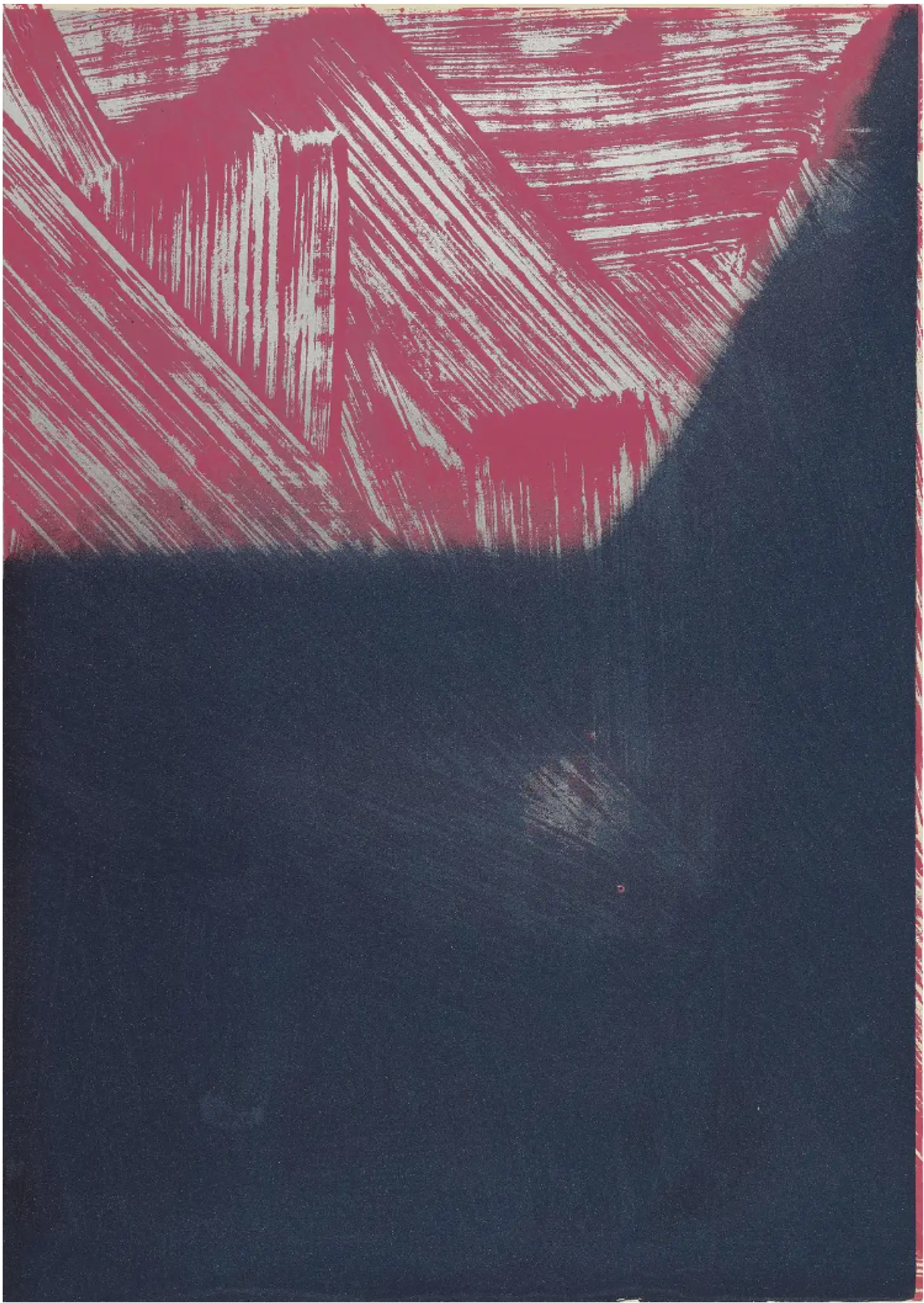

Shadows marks a departure from Warhol’s more famous works.

Warhol’s Shadows marked a significant departure from the visual cultural images associated with commodities and celebrity imagery from the 1960s such as the Campbell’s Soup series, and Marilyn.
This series uses photography as its inspiration.

Focusing on severely blurred abstraction, this body of work synthesises key elements of Warhol’s practice, including film, painting, photography and screen printing.
There are 102 Shadow paintings.

In 1978 Warhol, aged 50, painted 102 paintings repeatedly looking at an unidentifiable mysterious source of hazy abstract shadow and juxtaposed the dark with contrasting light and colour.
Warhol used an unusual technique to create these works.

The backgrounds of the Shadows paintings were painted with a sponge mop, leaving streaks, trails and thickness inconsistencies.
The Shadow paintings were originally exhibited in 1979.
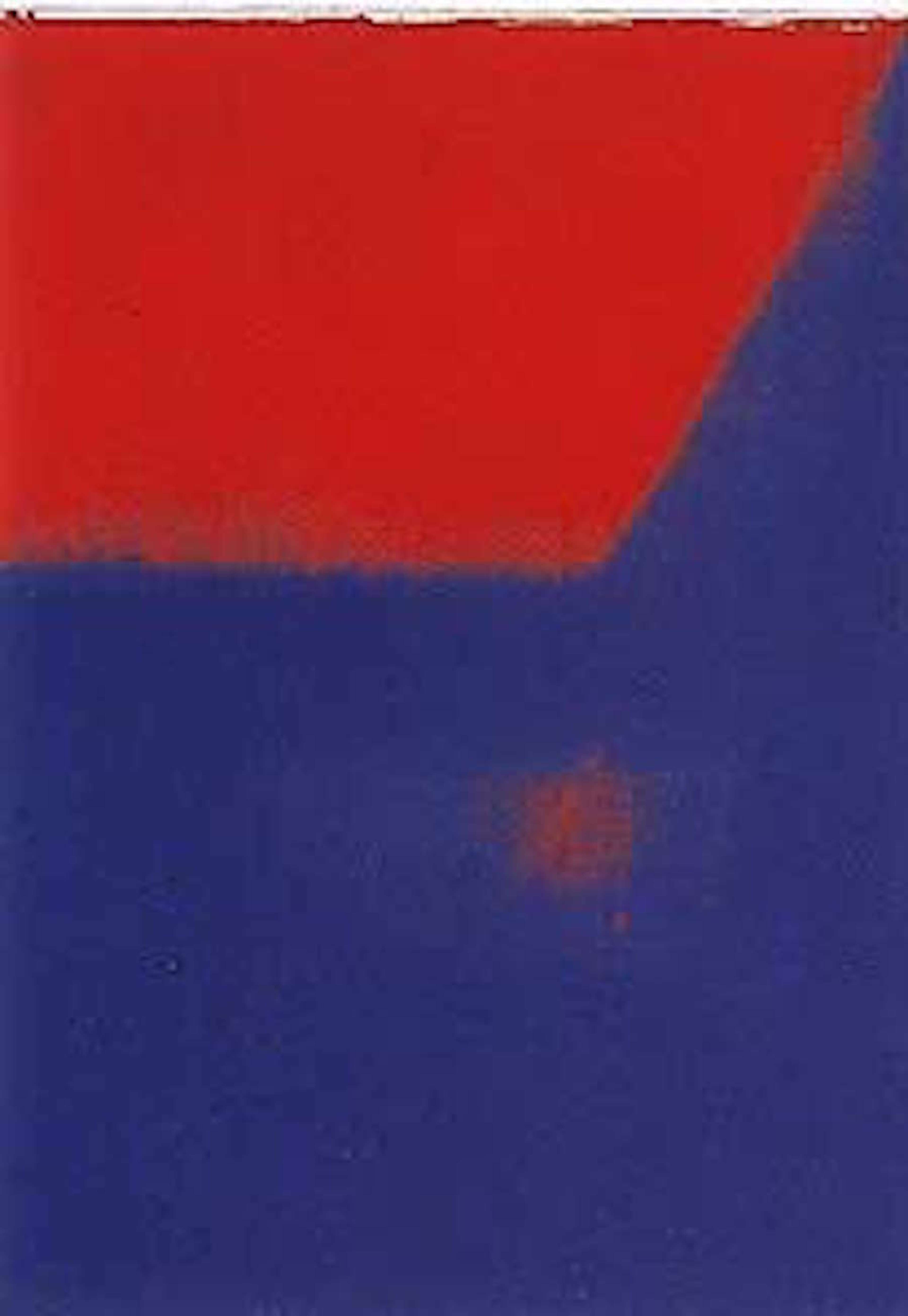
These paintings were exhibited at the Heiner Friedrich Gallery in 1979 and each canvas curated sitting snuggly next to each other as though they were all linked to be one artwork and creating an immersive experience.
The print series was also produced in 1979.
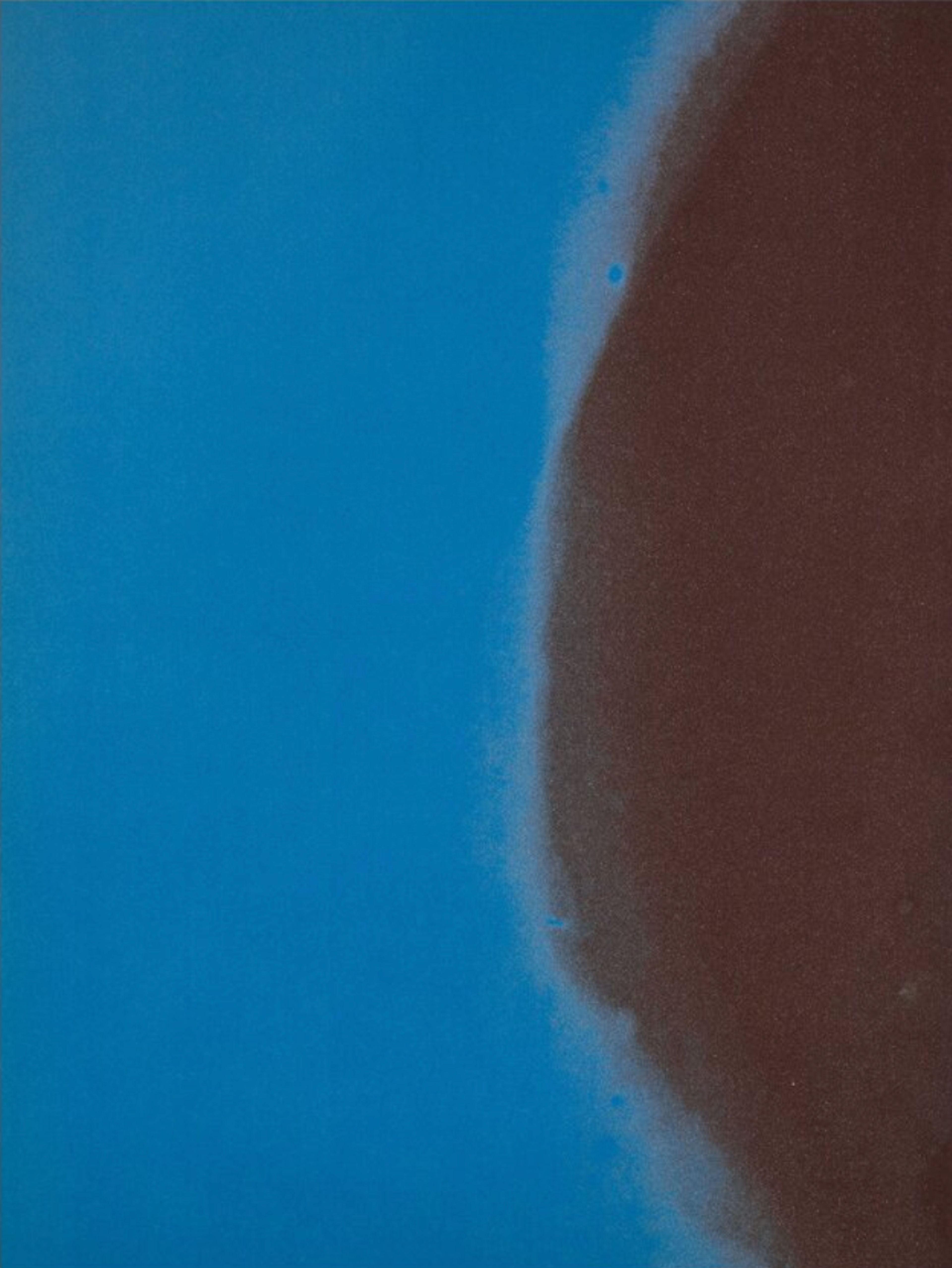
The Shadows prints series was published the same year as the Heiner Friedrich Gallery exhibition - the five portfolios include Shadows I, Shadows II, Shadows III, Shadows IV and Shadows V.
Warhol does not have many abstract print series like this one.

This was one of few abstract studies produced by Warhol using prints as the medium, other examples are Sunset and Camouflage.
The print series was created with diamond dust.
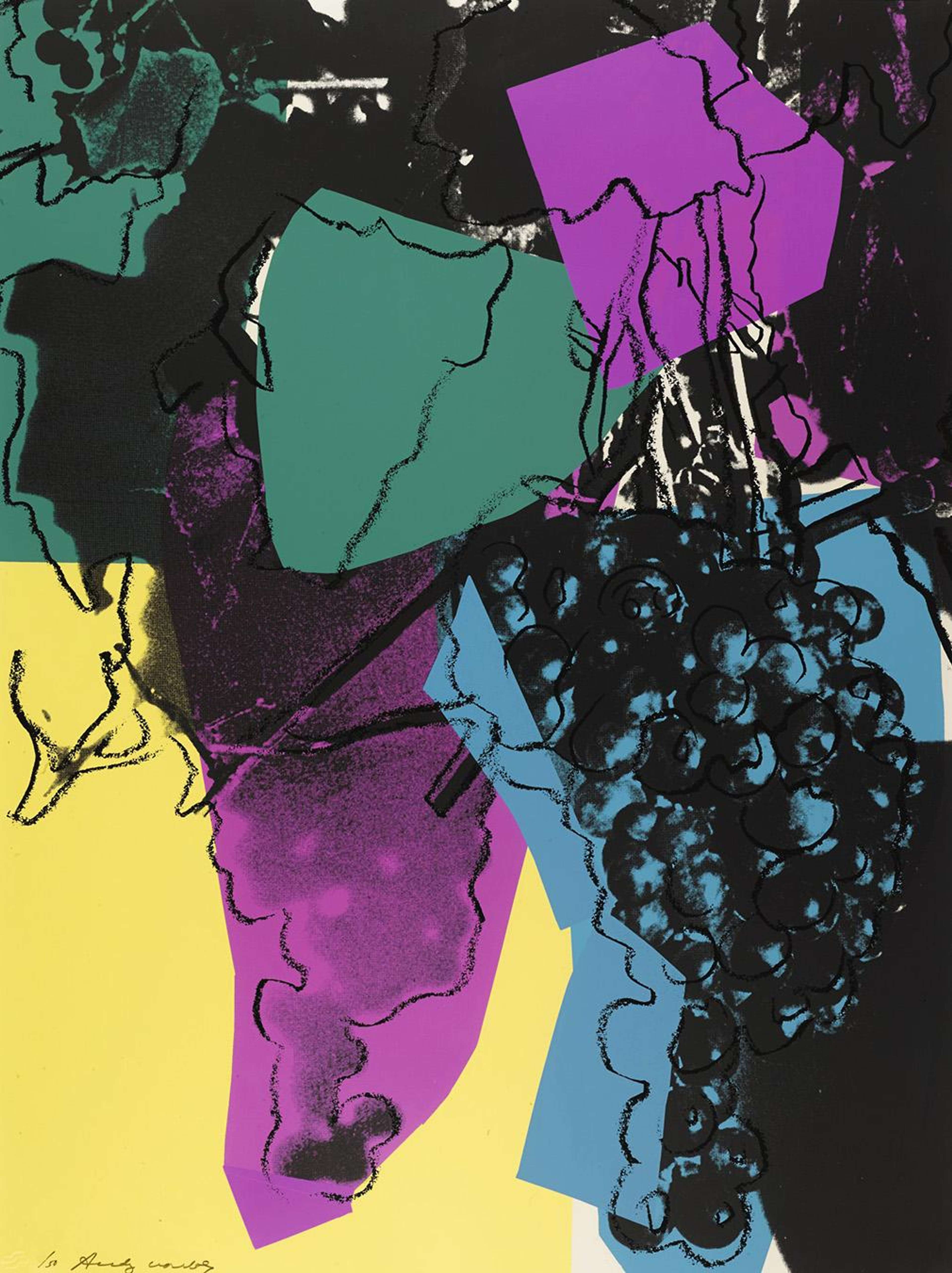
Each portfolio comprised of a unique set of screen prints printed in colour with diamond dust on Arches 88 paper which were printed and published in small print runs.This was the second time that Warhol published a major body of work with diamond dust. The first time had been with Grapes where he included the diamond dust in the appendix page.
The diamond dust on the prints enhanced their subject matter.

The significance of what he managed to achieve in Shadows by layering it on top of the screen prints meant that he could compliment the subject of light and shadow using a material which captured just what he was trying to literally present in abstract form.
The record price for a Shadow painting is US$7.7 million.

Selling for a total of US$7.7 million (£3.7 million) at Sotheby's New York in November 2007, Shadow painting from 1979 became the most expensive of this group of works to date.