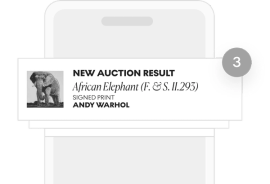

The launch of Artsignal, backed by Christie’s Ventures, makes a very bold claim: to become “the dominant intelligence layer for the art world.” It’s a line we’ve heard before and certainly one we adhere to in our Prints and Editions niche. The timing, the tone of new products like Artsignal, gives me confidence that there is a shift in how seriously the AI art market is now being taken.
Artsignal’s proposition is clear: use artificial intelligence to deliver adviser-grade market insights drawn from millions of data points, auction results, exhibition announcements, museum activity, and global press coverage, presented in a format that helps collectors, dealers, and advisors make smarter, faster decisions. It’s the kind of data infrastructure the market has talked about for years - and now we get to see how good it can be. The challenge of course is you have to wow industry insiders to get traction.
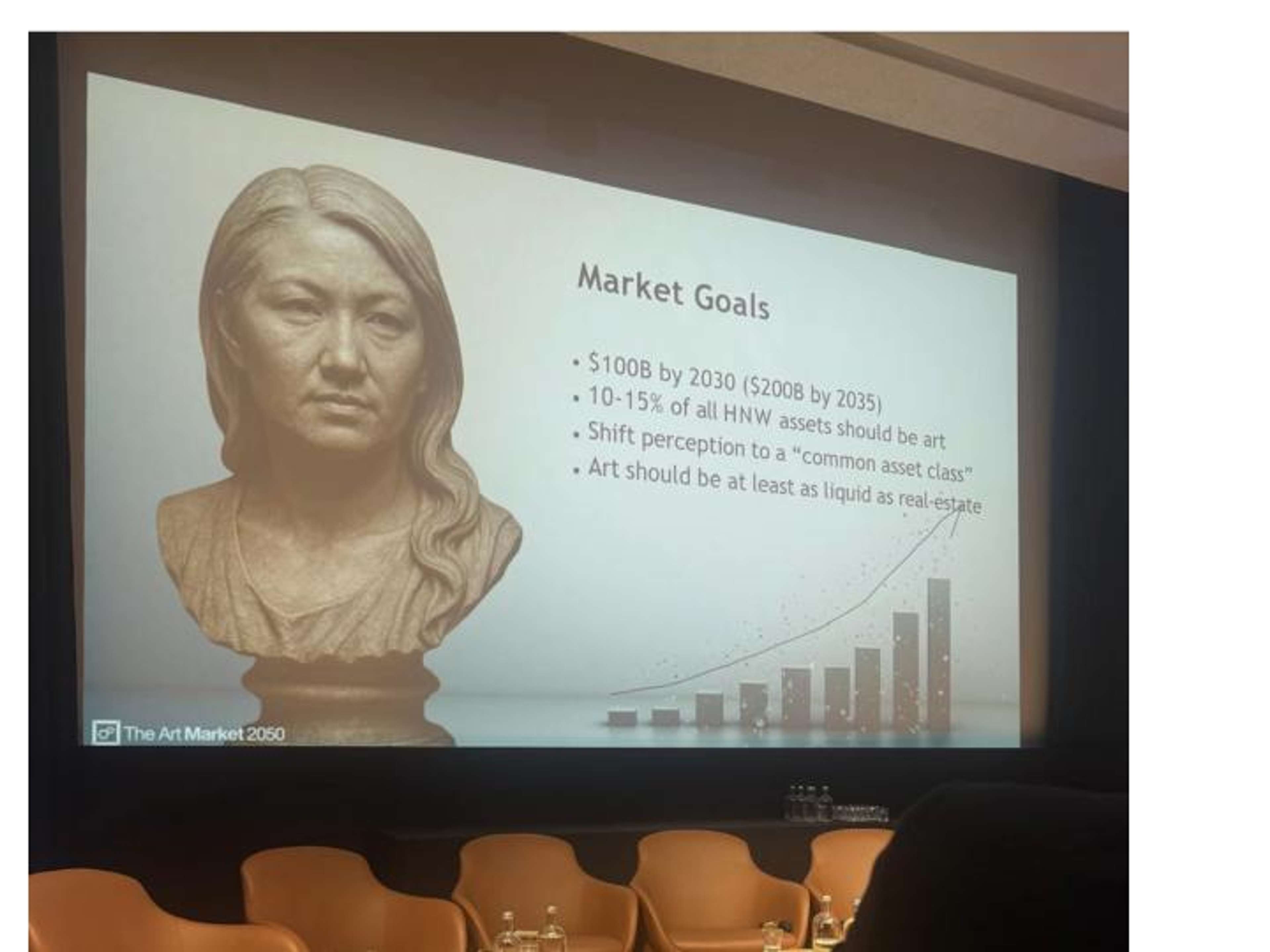
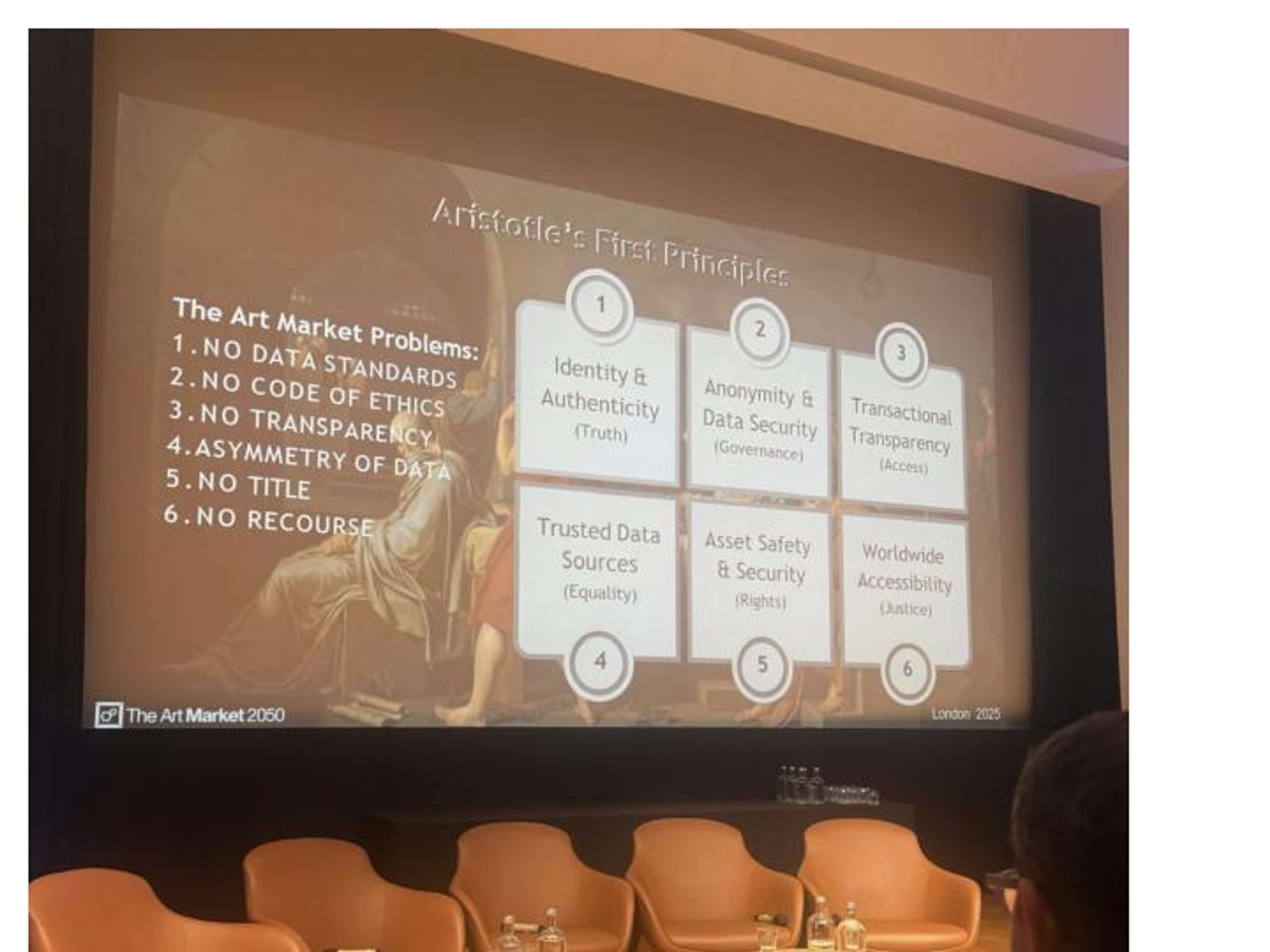
But the announcement arrived just a week after The Art Market 2050 - an excellent conference that, ironically, might have chosen its title too far ahead.
The truth is that the art world’s next transformation won’t unfold in 2050; it’s happening right now, through incremental innovation, new partnerships, and the steady adoption of art investment technology built for the market’s particular rhythm.
The Call for a “Moonshot” – AI & Ambition in the Art Market
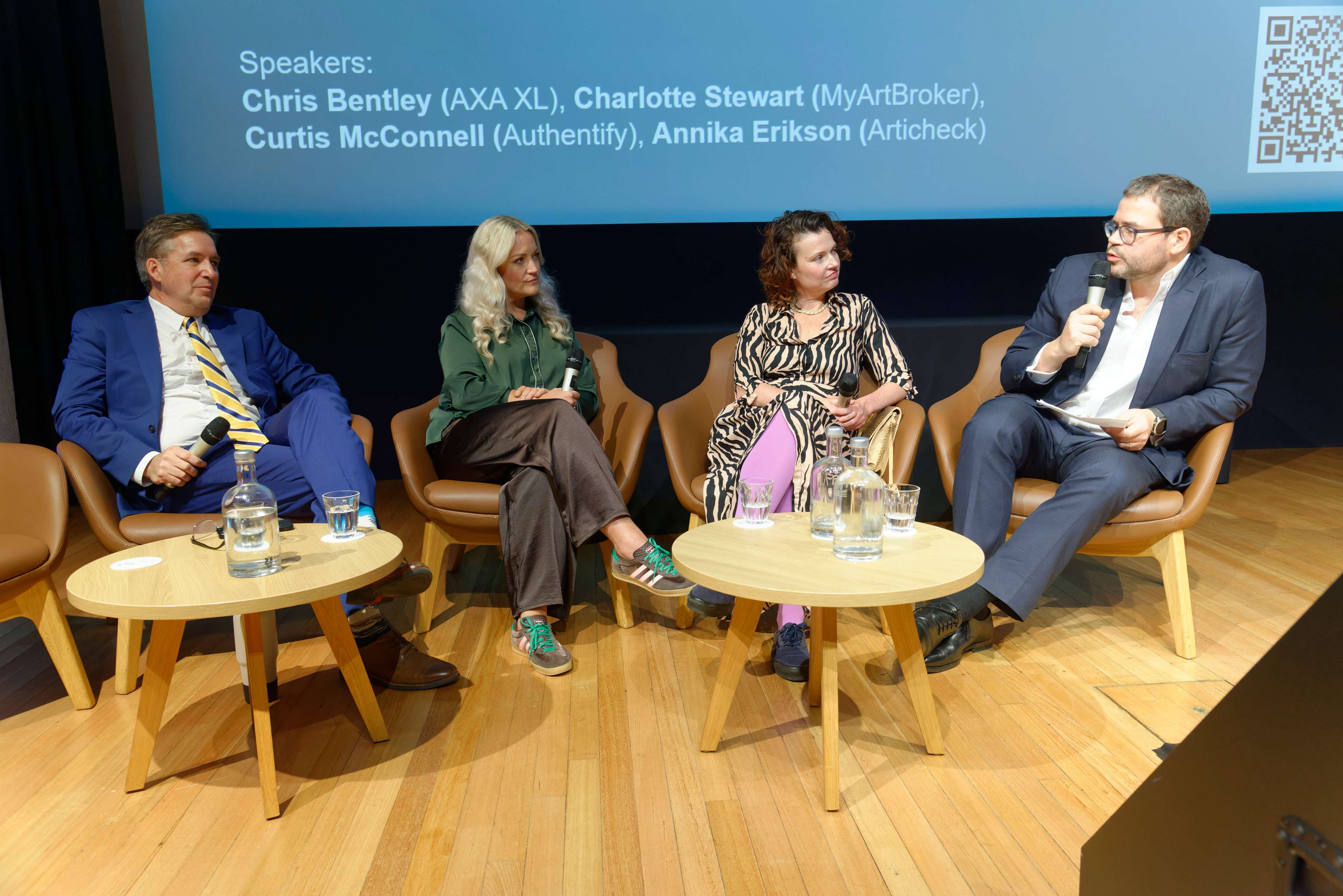
During the event, Curtis McConnell, CEO of Authentify, said something that stuck: “The art market needs a moonshot.” What did he mean by that? A collective mission powered by shared purpose, open data, and coordinated innovation.
His message wasn’t about hype. It was about ambition - the need for collaboration (by business, by investors, by ambassadors) bold enough to propel a fragmented industry into a more connected, data-driven era.
And he’s right. The art market does need a moonshot. But perhaps it’s not about one company racing to reach the moon first - it’s about the team moonshot.
From Data to Intelligence
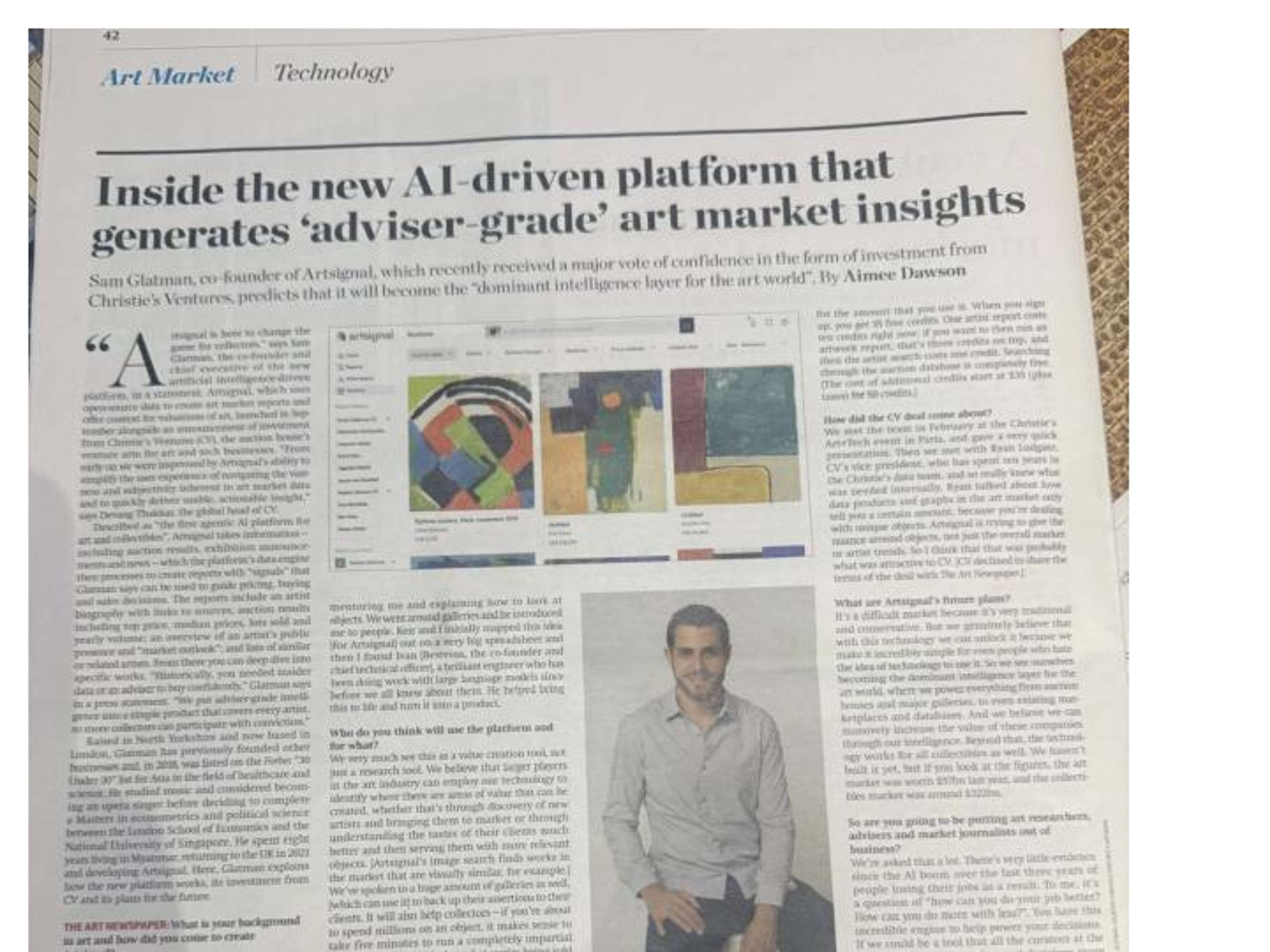
Artsignal’s co-founder Sam Glatman describes the platform as the first agnostic AI engine for art market insights - one that fuses structured and unstructured art market data to identify pricing trends, collector appetite, and market momentum.
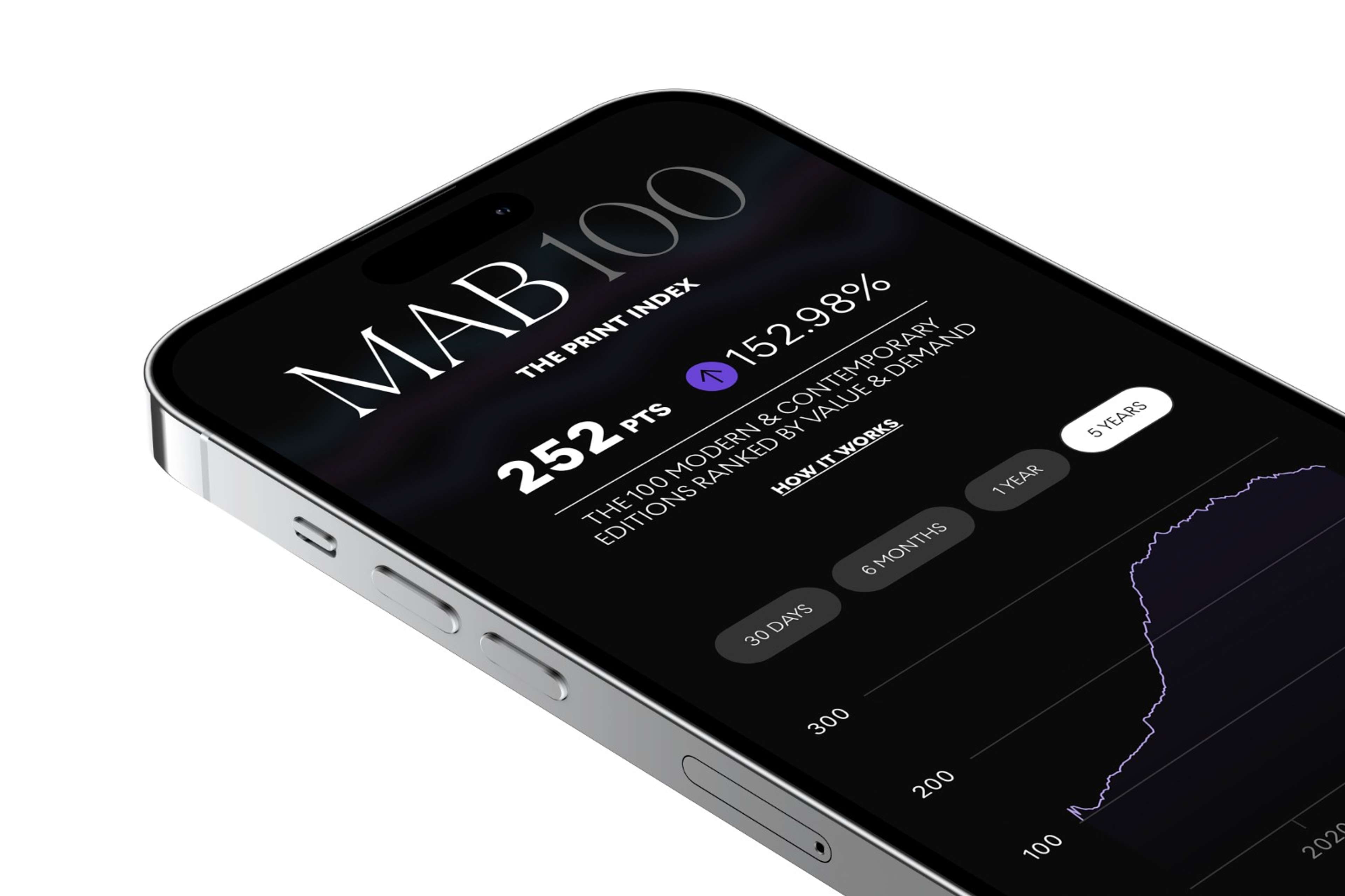
Access to accurate, adviser-grade information matters. For decades, the art market has been defined by asymmetry - a few people had the knowledge; everyone else had to trust them. AI-driven tools like Artsignal, our own Prints algorithm are changing that, potentially democratising access to reliable analysis. But the key lies in validation: where the data originates, how it’s processed, and who interprets it.
As I wrote in my talk for The Art Business Conference this year, data can accelerate understanding, but it cannot replace judgement. Technology may reveal patterns; only humans can interpret meaning.
Lessons From the Long Game
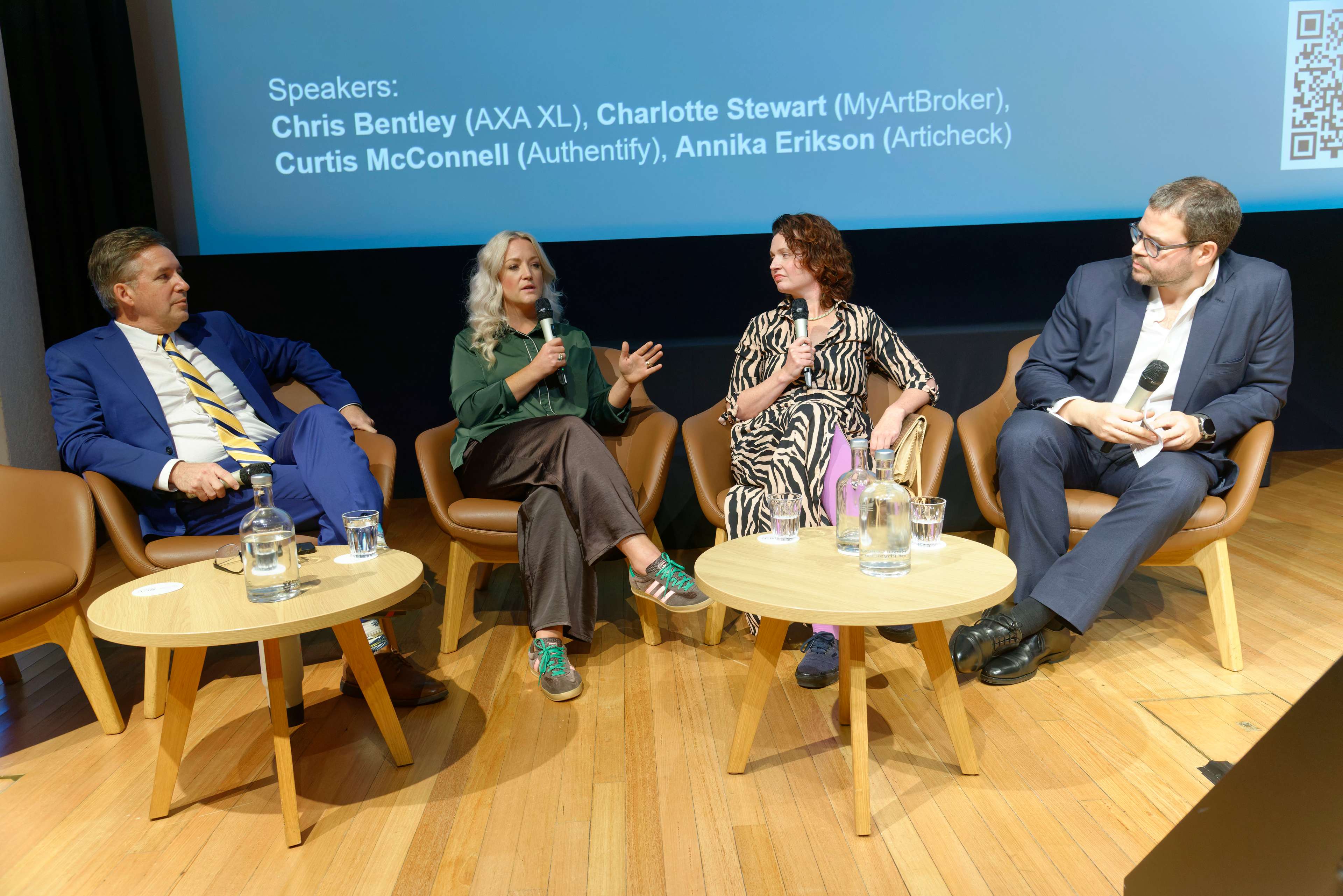
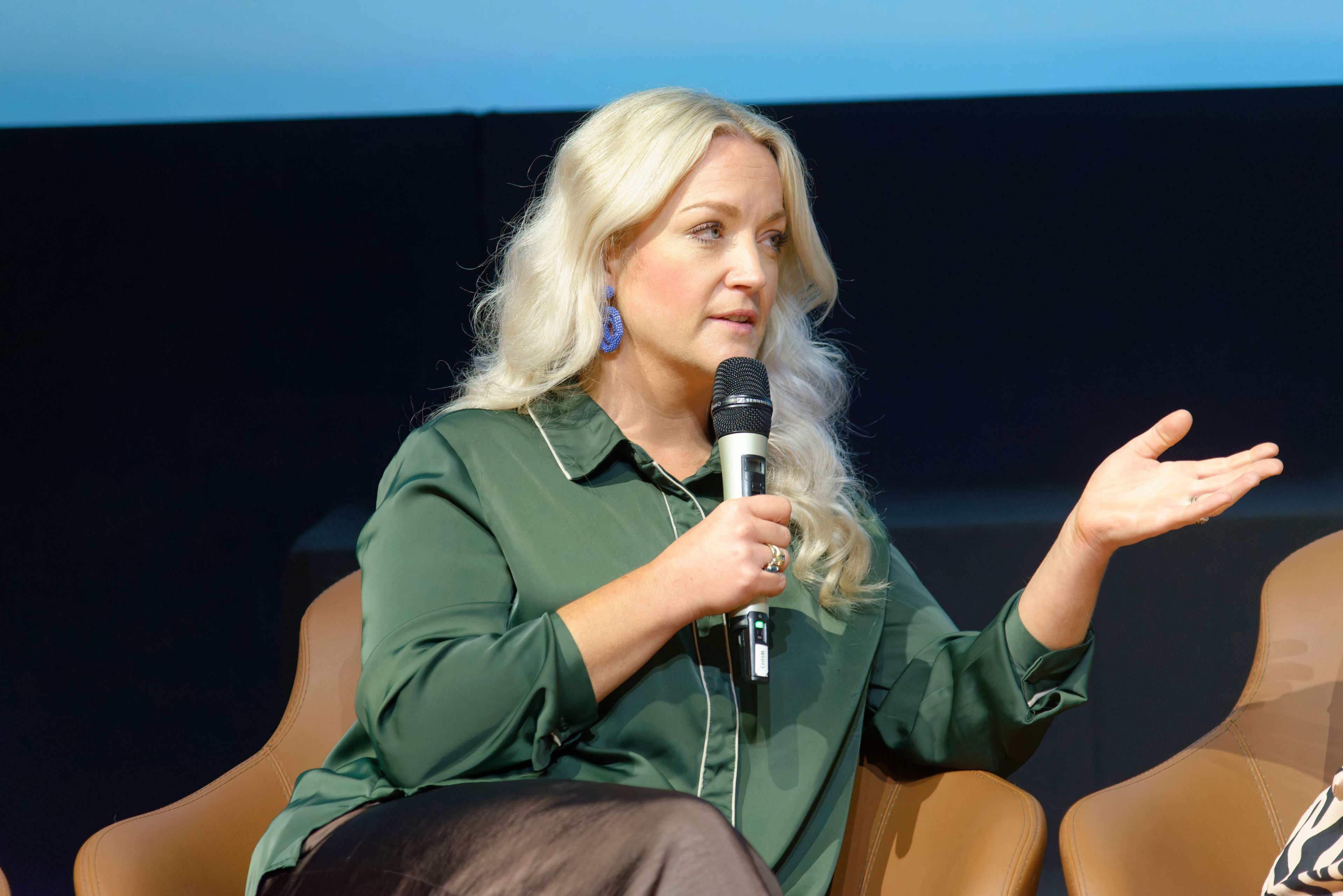
At Art Market 2050, our panel returned to the same truth: start-up logic rarely fits the art ecosystem. This is a market built on relationships, education, and trust - an inherently slower tempo. Annika Erikson, founder of Articheck, described how her company took nearly a decade to reach scale. Today it’s the global standard for digital condition reporting - a quiet but vital part of the industry’s infrastructure.
That kind of progress doesn’t happen through blitz-scaling; it happens through belief. Through teams willing to build methodically, verify relentlessly, and earn adoption over time.
At MyArtBroker, we’ve followed a similar philosophy. Our valuation and portfolio tools, from Instant Valuation to MyPortfolio, weren’t designed to disrupt for the sake of disruption. They exist to enhance trust. To prove that art market innovation can align transparency with expertise, making collecting more informed and inclusive without losing its humanity.
The Power of Alignment
So when I think of Curtis’s moonshot analogy, I don’t imagine a single rocket launch. I imagine mission control, hundreds of people, systems, and calibrations working in concert. That’s what the art market needs now: alignment.
The future of art investment technology depends on interoperability, platforms that can talk to each other, share data responsibly, and build common standards. The AI art market won’t advance through isolated breakthroughs; it will evolve through cooperation, accuracy, and mutual trust.
AI’s strength lies in pattern recognition, but its value will depend on verification. Without transparency, even the best algorithms amplify errors. With it, they can elevate the market’s collective understanding, from valuation to provenance, from pricing to prediction.
The Wrong Crowd, The Right Moment
I’ll admit there were moments at Art Market 2050 when it felt like the wrong crowd in the wrong room, too many outsiders trying to “disrupt” a market they hadn’t yet understood. But that tension revealed something important: the art world needs translating.
Real change here looks less like disruption and more like evolution. It happens when insiders and technologists collaborate, when connoisseurship meets computation.
The most promising advances I see now aren’t products, but partnerships: open APIs, transparent pricing engines, shared provenance standards. These are the small, steady steps that build the foundation for true art-market intelligence.
Looking Forward to the Next Chapter in the Art Market
The next chapter of AI in the art market won’t be defined by who gathers the most data, but by who interprets it best. The businesses that endure will prioritise accuracy, accountability, and trust.
Curtis McConnell was right: we do need a moonshot. But it will be a team moonshot, powered by collaboration among platforms like Authentify, Articheck, Artsignal, and MyArtBroker. Together, these systems can create the connective tissue the market has long lacked: verified data, interoperable tools, and a shared commitment to transparency.
Because AI will inevitably become embedded in every part of the art ecosystem, from valuations to authentication, but its success will depend on the people guiding it. AI must learn from the art world’s best instincts: curiosity, care, and context.
So yes, let’s aim for the moon. But let’s make sure we build a strong mission control on Earth first.